

Blogs
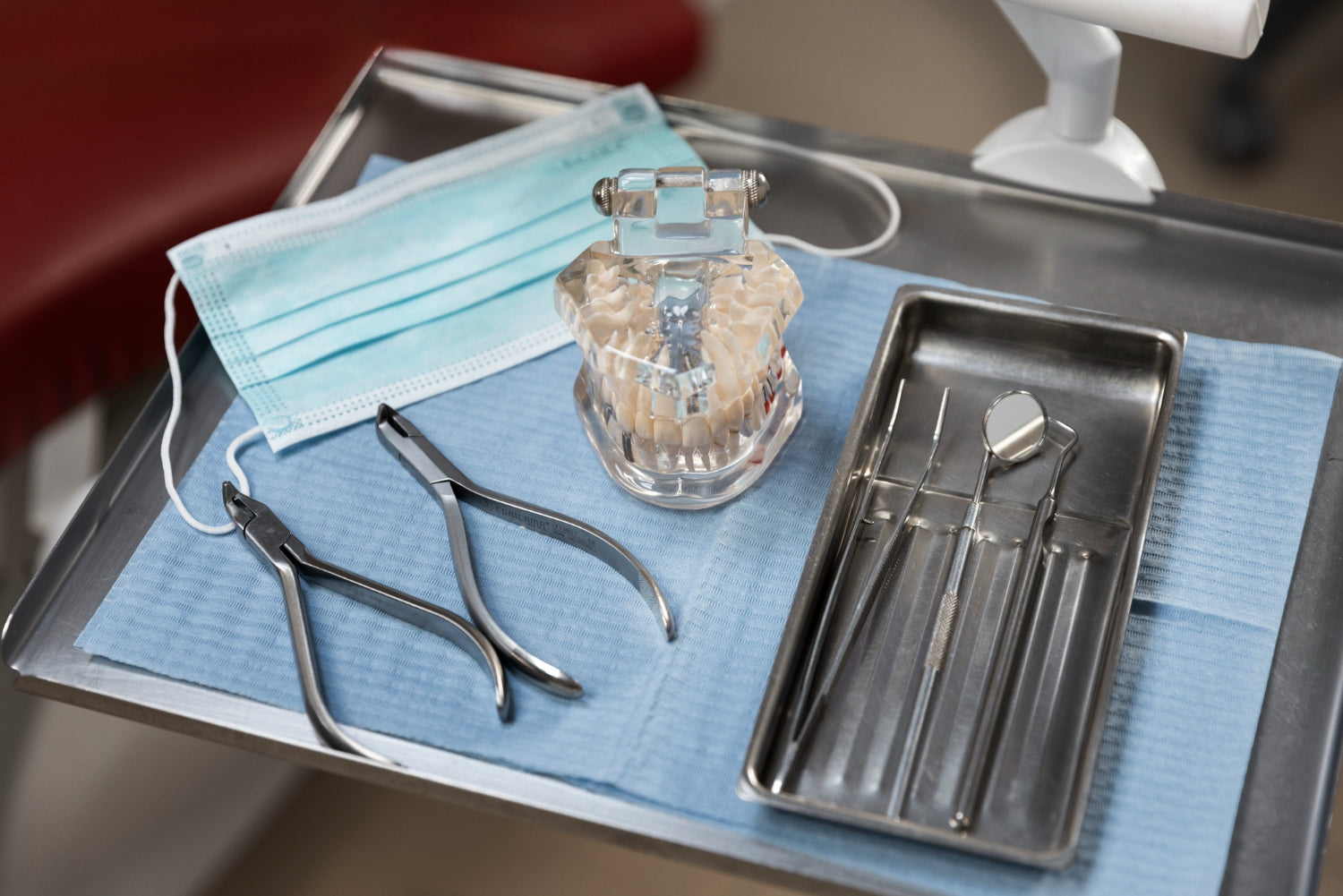

Introduction to Dental Biomaterials: A Complete Guide
Modern dentistry is built on more than clinical skill. Behind every crown, bridge, implant, or denture is a carefully selected material designed to function in one of the most demanding environments in the human body. Dental biomaterials are the foundation of restorative and prosthetic dentistry. They determine strength, longevity, aesthetics, and patient comfort. Whether it’s a single filling or a full-mouth reconstruction, material selection plays a critical role in treatment success. This guide offers a clear introduction to dental biomaterials, how they are classified, and why they matter in everyday clinical practice. What Are Dental Biomaterials? Dental biomaterials are specially engineered substances used to restore, replace, or regenerate oral tissues. Unlike general industrial materials, these are designed to be biocompatible, meaning they must function safely inside the mouth without causing harm or adverse reactions. The oral environment is complex. Materials must withstand: Constant chewing forces Temperature changes from food and drinks Saliva exposure Bacterial activity Long-term mechanical stress This is why the development of reliable dental lab materials has become such an essential part of modern dentistry. Major Categories of Dental Biomaterials Dental biomaterials are generally divided into four broad categories: metals, ceramics, polymers, and composites. 1. Metals and Alloys Metals were among the first materials used in restorative dentistry. Gold alloys, cobalt-chromium, and titanium are still widely used, particularly in implantology. Titanium is especially important because of its ability to integrate with bone. This property makes it the material of choice for implant fixtures and frameworks. 2. Ceramics and Zirconia Ceramic materials transformed restorative dentistry by improving aesthetics without sacrificing strength. Among these, zirconia dental material has become one of the most widely used options in recent years. Known for its exceptional fracture resistance and biocompatibility, zirconia is used in crowns, bridges, implant restorations, and even full-arch prosthetics. Modern zirconium dental restorations are milled using CAD/CAM technology from dense ceramic blocks. These restorations offer a balance between durability and natural translucency, making them suitable for both anterior and posterior cases. The reliability of such restorations depends heavily on the quality of dental lab materials used during fabrication. Consistency in raw materials ensures predictable sintering behavior and long-term clinical performance. As zirconia technology evolves, improvements in translucency and multilayer shading continue to expand its applications in aesthetic dentistry. 3. Polymers and Acrylics Polymers are widely used for temporary restorations, denture bases, and provisional crowns. PMMA (polymethyl methacrylate) is one of the most common examples. These materials are lightweight and easy to manipulate, making them suitable for short- to medium-term use. While not as strong as ceramics, polymer-based restorations play a vital role in treatment planning and transitional phases. 4. Waxes and Pattern Materials Often overlooked, wax plays a crucial role in dental laboratory procedures. Wax dental material is used for creating patterns, diagnostic mock-ups, and casting forms. Although wax is not a final restorative material, it is essential for precision during the design phase. Accurate wax patterns directly affect the final fit and structure of crowns and frameworks. In laboratory workflows, high-quality wax dental material contributes to better casting accuracy and improved marginal adaptation. Why Biocompatibility Matters? Biocompatibility is one of the most important characteristics of any dental biomaterial. Materials must not cause irritation, toxicity, or allergic reactions. Ceramic options like zirconia dental material are valued for their tissue-friendly properties. Zirconium dental restorations are non-metallic and corrosion-resistant, reducing the risk of sensitivity or gum discoloration. When sourcing materials, clinicians and labs often rely on a reputable dental lab material supplier to ensure compliance with safety standards and manufacturing consistency. Choosing a trusted Dental lab material supplier is not just about availability — it’s about long-term reliability and patient safety. The Role of Technology in Modern Dental Materials Digital dentistry has dramatically changed how materials are processed. CAD/CAM systems now allow precise milling of zirconia, PMMA, and other ceramics. High-performance dental lab materials are engineered specifically for digital workflows. From block density to sintering shrinkage rates, material properties must align with software design and milling equipment. Manufacturers like aidite dental materials have contributed to advancements in zirconia processing by improving multilayer technology and consistency in ceramic composition. As technology progresses, the collaboration between clinicians, technicians, and the dental lab material supplier becomes increasingly important for delivering predictable outcomes. Strength vs Aesthetics: Finding the Balance One of the biggest challenges in restorative dentistry is balancing strength with aesthetics. For posterior restorations, strength is critical. Materials like zirconia dental material are ideal because of their resistance to fracture under heavy bite forces. For anterior restorations, translucency and shade matching become more important. Advances in zirconium dental systems now allow multilayer shading that mimics the natural gradient of teeth. Material selection is rarely one-size-fits-all. It depends on case requirements, occlusion, patient habits, and long-term expectations. Why Material Quality Impacts Clinical Outcomes Even the most skilled clinician cannot compensate for substandard materials. The performance of restorations depends on: Raw material purity Manufacturing precision Consistency across batches Proper handling and storage Working with a dependable dental lab material supplier ensures that materials meet regulatory standards and perform predictably. Laboratories that invest in high-grade products, including advanced ceramic systems from brands such as aidite dental materials, often achieve better long-term results. Similarly, using reliable wax dental material during pattern fabrication improves accuracy before final casting or milling. The Future of Dental Biomaterials Research in dental biomaterials continues to evolve. Scientists are working on stronger ceramics, bioactive materials that promote tissue regeneration, and hybrid systems that combine strength with flexibility. Zirconia technology, in particular, continues to advance. Improvements in translucency, layering, and strength are expanding its application range. As dentistry moves further into digital workflows, the integration between software, milling units, and dental lab materials will become even more seamless. Dental biomaterials are the backbone of restorative dentistry. From zirconia dental material used in crowns and bridges to wax dental material used in laboratory design stages, each component plays a critical role in treatment success. Understanding material categories, biocompatibility, and fabrication processes allows clinicians and technicians to make informed decisions. Reliable sourcing from a trusted Dental lab material supplier ensures consistency, safety, and predictable performance. As innovations from manufacturers such as aidite dental materials continue to refine ceramic and digital solutions, the future of zirconium dental restorations and advanced dental lab materials looks stronger than ever. For anyone involved in restorative dentistry, a solid understanding of dental biomaterials is not optional — it is essential. Suppliers like ZirconiaGuys also contribute to the growing demand for dependable zirconia solutions within modern dental laboratory workflows.
Learn more
Implant Crowns vs Natural Teeth: What Patients Should Know
Dental implants have changed the way missing teeth are restored. For many patients, implant crowns look and feel so natural that it becomes difficult to tell them apart from real teeth. Still, a common question remains: How do implant crowns truly compare to natural teeth? Understanding the differences can help you set realistic expectations and care for your restoration properly. How Natural Teeth Function? Natural teeth are complex structures. Each tooth has enamel on the outside, dentin beneath it, and a living pulp at the center. The roots are anchored into the jawbone by periodontal ligaments. These ligaments act as shock absorbers, allowing slight movement and providing sensory feedback when you bite or chew. Because of this natural design, teeth can detect pressure and automatically adjust to chewing forces. They also receive nutrients and blood supply from surrounding tissues. However, once a natural tooth is severely damaged or lost, it cannot regenerate. That is where implants become an option. How Implant Crowns Work? An implant crown replaces the visible portion of a missing tooth and sits on top of a titanium implant post rather than a natural root. The implant integrates with the jawbone through osseointegration, creating a stable foundation. Unlike natural teeth, implants lack periodontal ligaments. This means they do not have the same sensory feedback. However, once properly healed and restored, most patients find them extremely comfortable and functional. The visible crown attached to the implant is usually made of advanced zirconia, known for its strength and lifelike appearance. Dental laboratories often mill implant crowns from high-quality zirconia blanks or a dense zirconium block using digital CAD/CAM technology. These materials provide durability while maintaining natural translucency. Appearance: Can You Tell the Difference? One of the biggest concerns patients have is whether implant crowns will look artificial. Modern restorations are far more advanced than older ceramic crowns. Today, many implant crowns are fabricated using zirconia multilayer systems. These materials are designed with gradient shading to mimic the natural color transition of real teeth. High-quality crowns are milled from precision-engineered zirconia disc systems, ensuring consistent density and minimal defects. When properly designed, implant crowns blend seamlessly with surrounding teeth. Some advanced restorations also use white zirconia blocks aidite, which provide a bright, stable base for customized shading. This improves aesthetic outcomes, especially for front teeth. In most cases, even close observers cannot distinguish a well-made implant crown from a natural tooth. Strength and Durability Natural enamel is extremely strong, but it can still chip or crack under excessive pressure. Implant crowns made of premium zirconia are designed to withstand similar chewing forces. Zirconia is highly resistant to fractures and wear. Restorations fabricated from dense zirconium block materials offer excellent durability, especially for molars that bear heavy bite pressure. Modern implant-supported crowns made from zirconia multilayer systems combine strength with aesthetic layering. This balance is especially important in advanced restorations. Additionally, high-grade zirconia disc systems ensure structural consistency throughout the crown. When fabricated correctly, zirconia implant crowns can last many years with proper care. Sensitivity and Comfort Natural teeth contain nerves, which means they can feel hot, cold, and pressure changes. Implant crowns do not contain nerves, so they do not respond to temperature in the same way. For some patients, this is actually an advantage. There is no risk of tooth sensitivity or nerve pain once healing is complete. Implants supported by quality systems such as aidite zirconia implants are designed for stability and biocompatibility. When the crown is fabricated from precision-milled zirconia blanks, the fit is accurate and comfortable. While implants lack the slight natural movement of real teeth, most patients adapt quickly and report that chewing feels normal after a short adjustment period. Maintenance: Is Care Different? Natural teeth require brushing, flossing, and regular dental visits. Implant crowns require the same level of care. Although the implant itself does not decay, the surrounding gum tissue can become inflamed if hygiene is neglected. Peri-implantitis, a condition similar to gum disease, can compromise the implant if left untreated. The good news is that crowns made from durable zirconia are resistant to staining and plaque buildup when properly polished. Restorations milled from high-density zirconia disk systems maintain surface smoothness over time. Routine dental check-ups help ensure that both natural teeth and implant crowns remain healthy. Longevity: Do Implant Crowns Last as Long as Natural Teeth? Natural teeth can last a lifetime if properly cared for. Dental implants are also designed as long-term solutions. The titanium implant post can often last decades, and the zirconia crown may last 10–15 years or more before replacement is needed due to normal wear. When fabricated from premium materials such as white zirconia blocks, aidite, or advanced zirconia multilayer systems, implant crowns demonstrate excellent resistance to chipping and discoloration. The quality of the manufacturing process also plays a role. Crowns milled from consistent zirconia disc systems and supported by reliable implant frameworks, such as aidite zirconia implants, contribute to long-term performance. Implant crowns and natural teeth share many similarities in appearance and function, but they are not identical. Natural teeth have nerves and ligaments, while implant crowns rely on a titanium post for support. However, modern restorative materials have significantly narrowed the gap. Advances in zirconia dental materials, high-density zirconium block fabrication, and multilayer systems such as zirconia multilayer and implant crowns today offer strength, aesthetics, and durability that closely mimic natural teeth. If you’re considering dental implants, speak with your dentist about material choices and long-term care. With proper planning and maintenance, implant crowns can restore both function and confidence for many years. For high-quality zirconia solutions trusted by dental professionals, ZirconiaGuys is one of the recognized suppliers in the industry.
Learn more
How Long Do Dental Implants Last With Proper Care?
Dental implants are often described as a long-term solution for missing teeth. But one of the most common questions patients ask is simple: How long do dental implants actually last? The short answer is — with proper care, dental implants can last 15 to 25 years or even a lifetime. However, their longevity depends on several important factors, including oral hygiene, lifestyle habits, bone health, and the quality of materials used in the final restoration. Understanding what affects implant lifespan can help you protect your investment and maintain your smile for years to come. Understanding the Structure of a Dental Implant A dental implant consists of three main parts: the implant post placed into the jawbone, the abutment that connects the post to the restoration, and the visible crown. The titanium implant post is designed to fuse with the jawbone through a process called osseointegration. Once this fusion occurs, the implant becomes stable and functions like a natural tooth root. The visible crown placed on top plays a major role in both appearance and durability. Modern implant crowns are commonly fabricated from high-strength zirconia, a biocompatible material known for its fracture resistance. Dental laboratories often mill implant restorations from a solid zirconium block or advanced zirconia blanks using digital CAD/CAM systems. The quality of this material directly impacts the crown’s strength and long-term performance. How Long Does the Implant Post Last? The implant post itself can last decades. In many cases, it lasts a lifetime if properly maintained. Because it is made of medical-grade titanium, it is highly corrosion-resistant and designed to integrate permanently with the bone. However, bone health is critical. Conditions like uncontrolled diabetes, smoking, or poor oral hygiene can compromise osseointegration and reduce implant lifespan. Regular dental check-ups and professional cleanings significantly increase the chances of long-term success. How Long Does the Implant Crown Last? While the implant post may last a lifetime, the crown attached to it may need replacement after 10 to 15 years due to normal wear and tear. The durability of the crown depends heavily on the material used. High-quality restorations made from zirconia multilayer systems provide both strength and improved natural translucency. These materials are engineered to handle heavy chewing forces while maintaining aesthetic appeal. Dental labs frequently use precision-milled zirconia disc systems to fabricate implant crowns with consistent density and minimal shrinkage. Premium zirconia dental material offers greater resistance to chipping than traditional porcelain-fused-to-metal crowns. Some advanced restorations are manufactured using aidite 3d multilayer zirconia, which offers gradient shading and improved structural integrity. In implant cases where durability and esthetics must work together, this type of material provides a balanced solution. Behind these restorations is often a reliable zirconia crown supplier dentists trust for consistent material quality and predictable clinical outcomes. Factors That Influence Implant Longevity Even the strongest materials cannot compensate for poor maintenance. The lifespan of dental implants depends on several practical factors. Oral hygiene is the most important. Brushing twice daily, flossing carefully around the implant, and using antimicrobial mouthwash help prevent peri-implantitis: a condition similar to gum disease that can compromise the implant. Bite forces also matter. Patients who grind their teeth may experience faster crown wear. In such cases, dentists often recommend night guards to protect restorations made from zirconia blanks or other ceramic materials. Lifestyle habits play a role as well. Smoking reduces blood flow to the gums, slowing healing and increasing the risk of implant failure. Maintaining healthy bone density through balanced nutrition also supports long-term stability. Why Material Quality Matters When discussing how long implants last, material quality is often overlooked. The visible crown is constantly exposed to chewing pressure, temperature changes, and daily use. Restorations fabricated from high-density zirconium block materials provide superior strength compared to conventional ceramics. Multilayer solutions, such as zirconia multilayer systems, improve both fracture resistance and aesthetics, especially for anterior implants. Many modern implant restorations are milled from premium zirconia disc systems designed specifically for CAD/CAM precision. These discs ensure uniform internal structure, reducing the risk of micro-cracks. Advanced options such as aidite zirconia implants and restorations made with aidite 3d multilayer zirconia have further improved the reliability of implant-supported crowns by combining strength with natural color transitions. When materials are sourced from a dependable zirconia crown supplier dentists rely on, consistency in quality and performance becomes more predictable. Signs Your Implant May Need Attention Although implants are highly durable, certain warning signs should not be ignored. Persistent discomfort, gum swelling, bleeding around the implant, or loosening of the crown may indicate complications. In many cases, the issue is not the implant post itself but the crown or surrounding gum tissue. Early intervention can prevent long-term damage. Regular follow-up appointments allow your dentist to monitor bone levels and crown condition. Preventive care significantly extends implant longevity. Can Dental Implants Last a Lifetime? Yes, many dental implants do last a lifetime, especially the titanium post embedded in the bone. However, the visible crown may require replacement over time due to normal wear. The key factors for long-term success include: Consistent oral hygiene Routine dental visits High-quality restorative materials Healthy lifestyle habits Implants restored with durable zirconia, precision-milled from zirconia blanks and fabricated using advanced zirconia multilayer technology, are designed to withstand years of daily use. Dental implants are one of the most reliable long-term solutions for missing teeth. With proper care, the implant post can last decades, and the crown can serve you well for many years before needing replacement. The combination of good oral hygiene, professional monitoring, and high-performance materials such as zirconium blocks, zirconia discs, and Aidite 3D multilayer zirconia significantly improves durability. When restorations are crafted using trusted systems like aidite zirconia implants and sourced through a reliable zirconia crown supplier dentists work with, patients benefit from both strength and aesthetics. As a Leading suppliers, ZirconiaGuys we also support dental professionals by providing consistent zirconia solutions for long-term implant success. If you’re considering dental implants, speak with your dentist about maintenance, material options, and long-term expectations. With proper care, your implant can remain a stable and functional part of your smile for many years to come.
Learn more
What Is a Dental Bridge and How Does It Work? A Complete Guide
Missing teeth does more than affect your smile. They can change the way you chew, speak, and even how your remaining teeth align over time. One of the most reliable solutions for replacing missing teeth is a dental bridge. If you’ve been advised to get a bridge, understanding how it works can help you make a confident and informed decision. What Is a Dental Bridge? A dental bridge is a fixed restoration used to replace one or more missing teeth. It literally “bridges” the gap created by missing teeth by anchoring an artificial tooth (or teeth) to the natural teeth or implants on either side of the space. Unlike removable dentures, a dental bridge is cemented in place and functions like natural teeth. Once placed, it restores chewing ability, maintains facial structure, and prevents neighboring teeth from shifting out of position. Modern bridges are fabricated using advanced dental lab materials that ensure strength, durability, and natural appearance. How Does a Dental Bridge Work? A traditional dental bridge consists of three main parts: The artificial tooth (called a pontic) that fills the gap Two supporting crowns are placed on adjacent teeth (called abutments) The supporting teeth are prepared and shaped to hold crowns. These crowns anchor the artificial tooth in between, creating a stable structure. Today, most bridges are designed digitally and fabricated using CAD/CAM systems. High-quality restorations are milled from durable materials such as zirconia, using precision-engineered zirconia blocks. Dental laboratories rely on premium zirconia block dental systems to produce bridges that can withstand chewing forces while maintaining aesthetics. Each bridge framework is carved from a carefully manufactured zirconia blank, which determines its final strength and translucency. Types of Dental Bridges There are several types of dental bridges, depending on the patient’s needs. Traditional bridges are supported by crowns on both sides of the gap. Cantilever bridges are used when there is only one supporting tooth. Implant-supported bridges are anchored to dental implants rather than to natural teeth. In modern restorative dentistry, zirconia-based bridges have become increasingly popular. High-performance zirconium dental materials offer excellent fracture resistance, making them ideal for multi-unit bridges. Specialized materials such as explore esthetics zirconia for bridges are designed to enhance translucency in anterior cases, where appearance is especially important. For posterior bridges that require higher strength, options such as st multilayer zirconia for bridges provide layered shading and superior durability. Many laboratories today also fabricate aidite zirconia bridges because of their consistent quality and reliable sintering behavior. Additionally, materials such as tt multilayer zirconia for crowns & bridges are widely used for cases that require a balance between strength and natural gradient aesthetics. All of these systems are manufactured using advanced dental lab materials supplied by trusted partners to ensure long-term performance. Why Zirconia Is Commonly Used for Bridges? Bridges must handle significant bite pressure, especially in the molar region. That is why material selection plays a critical role in long-term success. Zirconia has become one of the most preferred materials because it offers: High fracture resistance Biocompatibility Natural tooth-like appearance Resistance to wear Dental labs fabricate zirconia bridges from strong zirconia blocks, ensuring structural stability even in multi-unit cases. Premium zirconia blocks dental solutions provide consistent density and minimal shrinkage during sintering, improving fit accuracy. Behind every well-fabricated bridge is a dependable supplier of dental lab materials. A professional Dental lab material supplier ensures uniform material quality, which directly impacts strength, shade consistency, and long-term durability. When laboratories source materials from reliable suppliers, the final zirconium dental restoration becomes more predictable and clinically successful. The Process of Getting a Dental Bridge The procedure usually takes two appointments. During the first visit, the supporting teeth are prepared. Impressions or digital scans are taken and sent to the dental laboratory. A temporary bridge may be placed to protect the area while the permanent restoration is fabricated. The lab then designs the bridge digitally and mills it from a solid zirconia blank or other selected material. Advanced dental lab materials allow for precise margins and proper occlusion. On the second visit, the final bridge is checked for fit, bite alignment, and aesthetics before being permanently cemented. Benefits of a Dental Bridge A dental bridge does more than fill a gap. It restores chewing efficiency, improves speech clarity, and helps maintain facial symmetry. It also prevents adjacent teeth from tilting into the empty space, which could otherwise lead to bite problems. When fabricated from high-quality zirconia blocks dental systems, zirconia bridges provide long-lasting stability with minimal maintenance. Modern options like explore esthetics zirconia for bridges and st multilayer zirconia for bridges allow dentists to deliver restorations that are both strong and visually appealing. How Long Does a Dental Bridge Last? With proper oral hygiene and regular dental check-ups, a dental bridge can last 10–15 years or even longer. Longevity depends on oral habits, bite forces, and the quality of materials used. High-grade aidite zirconia bridges and restorations fabricated using tt multilayer zirconia for crowns & bridges are designed for enhanced structural integrity, especially in high-load areas. The durability of the bridge ultimately depends on precision fabrication and consistent raw materials sourced from a reputable dental lab material supplier. Is a Dental Bridge Right for You? A dental bridge is an excellent option if you have one or more missing teeth and healthy adjacent teeth to support the restoration. However, implant-supported bridges may be recommended when natural support is insufficient. The best way to determine suitability is through a detailed consultation with your dentist. They will evaluate bone support, bite alignment, and aesthetic expectations before recommending the appropriate solution. A dental bridge is a reliable and time-tested solution for replacing missing teeth. It works by anchoring an artificial tooth to neighboring teeth or implants, restoring both function and appearance. Thanks to advancements in dental lab materials, especially high-performance zirconia blocks, modern bridges are stronger, more aesthetic, and more precise than ever before. Materials such as explore esthetics zirconia for bridges, st multilayer zirconia for bridges, aidite zirconia bridges, and tt multilayer zirconia for crowns & bridges continue to improve restorative outcomes. When fabricated from premium zirconia blocks, dental systems, and sourced through a reliable Dental lab material supplier, zirconium-based bridges offer long-term performance and natural aesthetics. At ZirconiaGuys, we understand the importance of material consistency and provide zirconia solutions that help laboratories maintain quality across every bridge restoration. If you’re considering replacing missing teeth, a dental bridge may be the solution that restores not just your smile, but your confidence as well.
Learn more
Dental Crown vs Dental Cap: Which One Should You Choose?
If you’ve ever been told you need a dental crown, you may also have heard it called a “cap.” This often creates confusion. Patients sometimes assume the two are different treatments, or that one might be better than the other. In reality, there is no difference between a dental crown and a dental cap. There are two terms for the same restoration. “Cap” is simply an informal term many people use because the restoration covers the tooth. “Crown” is the professional term used in dentistry. So if the terminology isn’t the real issue, what should you actually be considering? The answer lies in the material, durability, aesthetics, and how the crown is fabricated. What Is a Dental Crown? A dental crown is a custom-made restoration that completely covers the visible portion of a damaged or weakened tooth. Its purpose is to restore strength, shape, and function while also improving appearance. Crowns are typically recommended when a tooth cannot be restored with a simple filling. This may happen after a root canal treatment, when decay has removed a large portion of the natural structure, or when a tooth has cracked or fractured. Crowns are also used to restore dental implants and to improve cosmetic concerns such as discoloration or irregular shape. Modern crowns are fabricated in dental laboratories using advanced materials that ensure a better fit, greater strength, and more natural-looking results than older techniques. Why Material Selection Matters More Than Terminology Since crown and cap mean the same thing, the real decision comes down to choosing the right material. The type of material used directly affects how long the crown lasts, how natural it looks, and how well it withstands chewing forces. Over the years, dentistry has moved from traditional metal-based crowns to more advanced ceramic systems. One of the most widely preferred options today is zirconia. Zirconia Crowns: Strength Meets Aesthetics Zirconia crowns are made from zirconium dioxide, a highly durable ceramic material known for its strength and biocompatibility. These restorations are created using CAD/CAM technology, where high-precision machines mill the crown from solid zirconia blocks. Dental laboratories depend on premium zirconia blocks dental systems to ensure consistency in quality and performance. Each restoration is carved from a carefully engineered zirconia blank, which determines the final crown’s strength, translucency, and fit. High-quality zirconium dental crowns offer several clinical advantages. They are extremely resistant to fractures, making them ideal for back teeth where bite forces are strongest. At the same time, newer zirconia generations offer improved translucency, making them suitable for front teeth as well. Another key factor in zirconia crown success is material sourcing. A reliable dental lab material supplier plays a significant role in maintaining quality standards. Consistent raw materials lead to predictable clinical outcomes. For this reason, many dental professionals prefer working with laboratories that source from a trusted Zirconia crown supplier dentists rely on for uniform strength and shade consistency. When properly fabricated, zirconia crowns provide long-term durability with minimal wear on opposing teeth, making them one of the most balanced restorative options available today. Porcelain-Fused-to-Metal Crowns Before zirconia became widely available, porcelain-fused-to-metal (PFM) crowns were considered the standard option. These crowns combine a metal framework with a porcelain outer layer to mimic the appearance of natural teeth. PFM crowns are still used in certain cases because they offer reliable strength and cost-effectiveness. However, over time, they may show a dark metal margin near the gum line, especially if gum recession occurs. In terms of aesthetics, they generally do not match the natural translucency of modern zirconia systems. Like zirconia restorations, PFM crowns also depend heavily on high-grade dental lab materials and proper fabrication techniques to ensure long-term performance. The Importance of Temporary Crowns Crown treatment typically involves two visits. During the first appointment, the tooth is prepared, and impressions are taken. A temporary crown is then placed to protect the tooth until the final restoration is ready. Temporary crowns are more than just placeholders. They protect the prepared tooth from sensitivity, prevent shifting, and allow normal chewing function. Modern materials such as Temporary crowns aidite pmma are commonly used because they provide smooth margins, adequate strength, and better aesthetics during this interim phase. Although temporary crowns are not designed for long-term use, their quality still matters. A well-made temporary crown ensures patient comfort and reduces complications before the final zirconia or ceramic crown is cemented. How to Decide Which Crown Is Right for You Choosing the right crown depends on several factors. The location of the tooth plays an important role. Back teeth require materials that can handle heavy bite pressure, while front teeth demand superior aesthetics. Patients who grind their teeth may require stronger materials, such as zirconia. Budget and personal preferences also influence the decision. Zirconia crowns, fabricated from premium zirconia blocks in dental systems, are increasingly the first choice for their durability and appearance. However, the final recommendation should always come from your dentist after evaluating your oral condition. Beyond material choice, the dental laboratory's expertise also matters. Laboratories working with a dependable Dental lab material supplier ensure consistency in milling, sintering, and finishing processes. The quality of the zirconia blank and other dental lab materials directly impacts the longevity of the final restoration. There is no technical difference between a dental crown and a dental cap. The two terms describe the same treatment. What truly determines success is not the name but the material, fabrication process, and clinical planning behind it. A well-designed crown made from high-grade zirconia blocks, precisely milled from a quality zirconia blank, and sourced through a trusted Zirconia crown supplier dentists depend on can provide strength, comfort, and natural aesthetics for many years. ZirconiaGuys also contribute to supporting labs and clinicians with consistent zirconia solutions. If you’ve been advised to get a crown, focus on understanding the material options and discussing durability and aesthetics with your dentist. With the right combination of advanced dental lab materials and professional expertise, a crown can restore both your tooth and your confidence.
Learn more
What Are Dental Implants? A Complete Beginner’s Guide
Missing teeth affect more than just appearance. They impact chewing efficiency, jawbone health, and long-term oral stability. Dental implants have become one of the most trusted solutions in modern restorative dentistry because they closely replicate the structure and function of natural teeth. Understanding what dental implants are and how they work helps patients make informed decisions about long-term tooth replacement. What Are Dental Implants? Dental implants are artificial tooth roots placed into the jawbone to support restorations such as crowns, bridges, or full-arch prosthetics. Unlike removable options, dental implants integrate with the bone, creating a stable foundation for permanent restorations. A complete dental implant system typically includes: The implant post (usually titanium or zirconium dental material) The abutment connecting the implant to the restoration The implant-supported crown or bridge How Dental Implants Work Once placed, the implant undergoes a process called osseointegration, where the surrounding bone fuses with the implant surface. This integration allows dental implants to function like natural tooth roots, supporting daily biting and chewing forces. Implant restorations are commonly produced using CAD/CAM dentistry, with implant crowns milled from dental zirconia discs, zirconia blocks dental labs trust for strength and precision. Materials Used in Dental Implants While the implant post is typically titanium, the visible restoration is often fabricated using advanced dental lab materials such as: Zirconia dental material for implant crowns Zirconia blocks and zirconia dental blanks for CAD/CAM workflows Zirconia blanks offering high strength and esthetic consistency Zirconium dental restorations are preferred for their biocompatibility, durability, and natural appearance, especially in visible areas. For a deeper understanding of implant systems, restorative workflows, and material selection, explore the pillar resource Dental Implants & Implant Restorations: Complete Guide. This comprehensive guide covers implant fundamentals, implant-supported restorations, CAD/CAM fabrication, and the role of zirconia dental material in achieving predictable, long-term clinical outcomes for both clinicians and dental labs. Dental Implants vs Other Tooth Replacement Options Compared to removable dentures or traditional bridges, dental implants: Preserve jawbone density Do not rely on adjacent teeth for support Offer superior stability and longevity Support restorations made from zirconia blocks dental professionals rely on This makes dental implants a long-term investment in oral health rather than a temporary fix. Who Is a Good Candidate for Dental Implants? Most healthy adults with adequate bone volume are suitable candidates. Even patients with bone loss may qualify after grafting procedures. Proper planning with digital scans and dental lab collaboration ensures precise implant placement and restoration design. Implant Crowns and Dental Labs Implant crowns are typically fabricated in a dental lab using zirconia dental blanks and zirconia discs. These restorations are customized to match shade, shape, and occlusion, ensuring natural integration with surrounding teeth. High-quality dental lab materials play a critical role in the final success of implant restorations. Longevity of Dental Implants With proper care, dental implants can last decades. Their longevity depends on: Oral hygiene Bone health Quality of implant materials Precision of the implant crown fabricated from zirconia blocks Conclusion Dental implants provide a reliable, long-lasting solution for missing teeth by combining surgical precision with advanced restorative materials. When paired with high-quality zirconia dental material and expert dental lab processes, implants deliver both functional and esthetic success. For dental labs and clinicians aiming for predictable implant outcomes, the quality of restorative materials plays a critical role. Zirconia Guys supports implant workflows by supplying reliable dental lab materials, including zirconia blocks, zirconia dental blanks, and dental zirconia discs used in implant-supported crowns and bridges. By combining precise digital fabrication with consistent zirconia dental material, Zirconia Guys helps ensure implant restorations achieve long-term strength, accurate fit, and natural esthetics—supporting successful results from placement to final restoration.
Learn more
Types of Dental Crowns Explained
Dental crowns are not a one-size-fits-all solution. Different types of dental crowns are designed to meet varying functional and esthetic needs. The choice depends on tooth location, bite force, cosmetic expectations, and material performance. With advancements in dental lab materials and CAD/CAM manufacturing, today’s crowns are more durable, precise, and natural-looking, especially those fabricated from zirconia dental material. Classification Based on Material The most common way to categorize dental crowns is by material type. Zirconia Dental Crowns Zirconia crowns are widely used due to their exceptional strength and esthetic adaptability. Manufactured from zirconia blocks or zirconia dental blanks, these crowns offer: High fracture resistance Biocompatibility Natural tooth color matching Suitability for both anterior and posterior teeth Dental zirconia crowns are often milled from dental zirconia discs, ensuring uniform density and precise margins. Ceramic and Porcelain Crowns These crowns are chosen mainly for esthetic zones. While visually appealing, they may lack the strength needed for heavy biting areas. Metal-Based Crowns Metal crowns provide excellent durability but are rarely used today due to esthetic limitations. Classification Based on Design Dental crowns are also categorized by their construction. Monolithic Crowns Made from a single block of zirconia dental material, monolithic crowns are highly durable and commonly used for posterior teeth. Layered Crowns These crowns have a zirconia core with a porcelain layer added for enhanced esthetics. They are typically used for anterior cases. Crowns for Specific Clinical Uses Different restorative scenarios require different crown types. Anterior crowns prioritize esthetics and translucency Posterior crowns require strength and wear resistance Implant-supported crowns need a precise fit and load distribution Bridge crowns must support adjacent missing teeth Dental labs select specific zirconia blocks and dental systems based on these clinical needs. Strength vs Esthetics: Finding the Balance Modern zirconia dental material bridges the gap between strength and beauty. Multilayer zirconia dental blanks allow natural shade gradients while maintaining core strength. Choosing the right crown type ensures long-term success and patient satisfaction. How Dental Labs Manufacture Crowns Dental crowns are fabricated using digital scans and CAD/CAM milling. High-quality dental lab materials ensure predictable outcomes. Zirconia dental blanks and zirconia blocks are sintered at high temperatures to achieve final strength and shade. This precision manufacturing reduces remakes and improves fit accuracy. Which Type of Crown Is Best? There is no universally “best” crown. The ideal choice depends on: Tooth position Bite force Esthetic requirements Material properties Understanding crown types helps patients and clinicians make informed decisions. To see how dental crowns fit within the broader restorative landscape, including bridges, implants, and material selection refer to our comprehensive resource on Dental Restorations Explained: Crowns, Bridges, Implants & Materials. Conclusion: Selecting the Right Type of Dental Crown Understanding the different types of dental crowns helps clinicians and patients choose restorations that balance strength, esthetics, and longevity. Whether the case demands the durability of monolithic crowns or the visual refinement of layered options, material selection plays a decisive role in long-term success. Crowns fabricated from advanced zirconia dental material, zirconia blocks, zirconia dental blanks, and dental zirconia discs offer predictable performance across anterior, posterior, and implant-supported cases. Zirconia Guys supports dental labs with premium dental lab materials, including zirconia blocks dental systems and CAD/CAM-ready zirconia solutions that enable accurate milling, consistent sintering, and reliable esthetic outcomes. By sourcing the right materials and matching them to the correct crown design, dental professionals can deliver restorations that meet both functional demands and patient expectations with confidence.
Learn more
Types of Dental Crown Materials Compared: Zirconia vs Ceramic vs PMMA
Choosing the right dental crown material is a balance between strength, esthetics, and clinical requirements. With advances in digital dentistry, dental labs now fabricate crowns using highly specialized dental lab materials designed for accuracy and durability. This guide compares the most common dental crown materials used today. Overview of Dental Crown Materials Modern dental materials fall into three main categories: Zirconia dental material Ceramic-based materials PMMA and provisional materials Each serves a distinct purpose within restorative dentistry. Zirconia Dental Material Zirconia dental material is widely used for permanent crowns due to its superior strength and esthetics. Zirconia crowns are fabricated from: Zirconia blocks Zirconium block formats Zirconia multilayer discs Dental zirconia discs Zirconia blanks offer consistency, making them ideal for high-precision CAD CAM dental lab workflows. Advantages of Zirconia Crowns Excellent fracture resistance Suitable for anterior and posterior use Long lifespan Minimal chipping risk Ceramic Crown Materials Ceramic crowns offer good esthetics but may lack the strength needed for posterior restorations. Ceramic vs zirconia crowns comparisons often highlight zirconia’s superior durability. Ceramic materials are still used for low-stress anterior cases but are gradually being replaced by zirconia crowns. PMMA Crown Materials PMMA crowns are commonly used for: Temporary crowns Try-ins Provisional restorations While PMMA lacks the strength for permanent use, it plays an essential role in treatment planning and digital workflows. Zirconia Multilayer Technology Zirconia multilayer materials provide natural shade gradients from cervical to incisal areas. These materials reduce manual staining and improve esthetic consistency across restorations. Multilayer zirconia is fabricated from advanced zirconia dental blanks and zirconia disc systems. Digital Dentistry and Material Selection Digital dentistry allows dental labs to optimize material use through: CAD CAM dentistry Dental milling machines Precision sintering cycles Dental lab material suppliers play a key role in providing consistent zirconia blocks price and quality. Dental Crown Cost vs Material Choice Dental crown cost is influenced by: Material type Manufacturing process Dental lab expertise Zirconia crowns may have a higher upfront cost but offer superior longevity, reducing long-term replacement needs. Choosing the Best Material for Your Crown The best material selection depends on: Functional requirements Esthetic expectations Dental lab capabilities Patient budget Zirconia dental material remains the most versatile choice for permanent restorations. To gain a broader perspective on restorative material science and how different options compare across clinical and laboratory workflows, explore the pillar resource Dental Materials Explained: Ceramics, Zirconia, PMMA & More. This comprehensive guide covers dental ceramics, zirconia dental material, PMMA restorations, and the role of modern dental lab materials in supporting precise, CAD/CAM-driven crown fabrication. Conclusion When comparing dental crown materials, zirconia consistently stands out for its strength, esthetics, and digital compatibility. As dental labs continue adopting CAD CAM workflows, zirconia blocks and zirconia dental blanks will remain central to restorative dentistry. For dental labs aiming to achieve consistent results across permanent and provisional restorations, material sourcing is just as important as material selection. Zirconia Guys supports modern digital dentistry by supplying reliable dental lab materials, including zirconia blocks, zirconia dental blanks, zirconia multilayer discs, and PMMA solutions used across CAD/CAM crown workflows. By providing dependable zirconia dental material with consistent quality and transparent zirconia blocks price structures, Zirconia Guys helps labs deliver durable, esthetic crowns with predictable long-term performance.
Learn more
What Materials Are Dental Crowns Made Of? A Complete Material Comparison
Dental crowns restore damaged or weakened teeth, but the long-term success of a crown depends heavily on the material used. Modern dentistry offers a wide range of dental materials, each designed to meet specific clinical, esthetic, and functional needs. Understanding what materials dental crowns are made of helps patients and professionals choose the right solution for strength, longevity, and appearance. Why Dental Crown Materials Matter Dental crown materials affect: Strength and fracture resistance Natural appearance and translucency Wear on opposing teeth Long-term durability Compatibility with digital dentistry and dental lab workflows Today, most dental labs rely on CAD/CAM dentistry and advanced dental lab materials to fabricate accurate, long-lasting restorations. Common Materials Used in Dental Crowns 1. Zirconia Dental Material Zirconia dental material is one of the most widely used options in modern restorative dentistry. It is known for its exceptional strength, biocompatibility, and natural esthetics. Zirconia crowns are typically fabricated from: Zirconia blocks Zirconia blocks dental labs use for milling Zirconia blanks and zirconia dental blanks Dental zirconia discs for CAD/CAM systems Zirconium dental crowns are ideal for both anterior and posterior restorations due to their high fracture resistance and lifelike appearance. 2. Ceramic Crowns Traditional ceramic crowns offer good esthetics and are commonly used in visible areas. However, they may not provide the same strength as zirconia dental material, especially for posterior load-bearing cases. Ceramic vs zirconia crowns is a common comparison, with zirconia often preferred for durability and longevity. 3. Porcelain-Fused-to-Metal (PFM) PFM crowns combine metal strength with porcelain esthetics. While still used, they are gradually being replaced by zirconia crowns due to better esthetics and fewer chipping issues. Porcelain vs zirconia crowns often favors zirconia for monolithic strength and digital precision. 4. Metal Crowns Gold and metal alloys are durable but lack esthetics. They are now mainly used in specific functional cases rather than cosmetic restorations. Zirconia Crowns in Modern Dentistry Zirconia crowns are produced using digital dentistry workflows, where dental labs mill restorations from zirconia blocks dental professionals trust for consistency. Benefits of zirconia crowns include: High flexural strength Natural translucency Minimal tooth reduction Long-term stability Excellent compatibility with CAD CAM dental lab systems Role of the Dental Lab in Crown Fabrication A dental lab plays a critical role in crown quality. The dental lab process includes: Material selection Digital design Dental milling using a dental milling machine Sintering and finishing Dental lab materials such as zirconia blocks and zirconia discs directly impact accuracy and fit. How to Choose the Right Crown Material Material selection depends on: Tooth location Bite force Esthetic expectations Budget considerations Dental crown cost and longevity Zirconia dental material is often chosen when strength, esthetics, and long-term performance are required. For a more detailed explanation of dental restorative materials and how they compare across different crown applications, refer to the pillar guide Dental Materials Explained: Ceramics, Zirconia, PMMA & More. This comprehensive resource explores dental ceramics, zirconia dental material, metal-based options, and modern CAD/CAM dental lab workflows, helping clinicians and dental labs make informed material choices for long-term crown performance. Conclusion Dental crowns can be fabricated from various materials, but zirconia crowns have become the preferred choice in modern dentistry. Their combination of strength, esthetics, and digital compatibility makes zirconia dental material a leading option for long-lasting restorations. For dental labs and clinicians seeking consistency and predictable outcomes, the source of materials plays a crucial role in crown performance. Zirconia Guys supports modern restorative workflows by supplying high-quality dental lab materials, including zirconia blocks, zirconia blanks, and dental zirconia discs used in CAD/CAM crown fabrication. By offering reliable zirconia dental material suited for both anterior and posterior restorations, Zirconia Guys helps ensure crowns deliver long-term strength, accurate fit, and natural esthetics across a wide range of clinical cases.
Learn more