

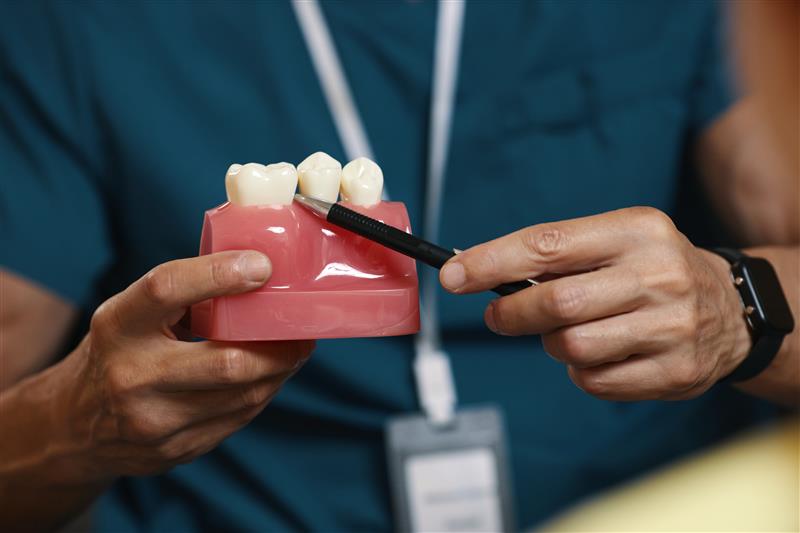
Dental crowns are not a one-size-fits-all solution. Different types of dental crowns are designed to meet varying functional and esthetic needs. The choice depends on tooth location, bite force, cosmetic expectations, and material performance.
With advancements in dental lab materials and CAD/CAM manufacturing, today’s crowns are more durable, precise, and natural-looking, especially those fabricated from zirconia dental material.
Classification Based on Material
The most common way to categorize dental crowns is by material type.
Zirconia Dental Crowns
Zirconia crowns are widely used due to their exceptional strength and esthetic adaptability. Manufactured from zirconia blocks or zirconia dental blanks, these crowns offer:
- High fracture resistance
- Biocompatibility
- Natural tooth color matching
- Suitability for both anterior and posterior teeth
Dental zirconia crowns are often milled from dental zirconia discs, ensuring uniform density and precise margins.
Ceramic and Porcelain Crowns
These crowns are chosen mainly for esthetic zones. While visually appealing, they may lack the strength needed for heavy biting areas.
Metal-Based Crowns
Metal crowns provide excellent durability but are rarely used today due to esthetic limitations.
Classification Based on Design
Dental crowns are also categorized by their construction.
Monolithic Crowns
Made from a single block of zirconia dental material, monolithic crowns are highly durable and commonly used for posterior teeth.
Layered Crowns
These crowns have a zirconia core with a porcelain layer added for enhanced esthetics. They are typically used for anterior cases.
Crowns for Specific Clinical Uses
Different restorative scenarios require different crown types.
- Anterior crowns prioritize esthetics and translucency
- Posterior crowns require strength and wear resistance
- Implant-supported crowns need a precise fit and load distribution
- Bridge crowns must support adjacent missing teeth
Dental labs select specific zirconia blocks and dental systems based on these clinical needs.
Strength vs Esthetics: Finding the Balance
Modern zirconia dental material bridges the gap between strength and beauty. Multilayer zirconia dental blanks allow natural shade gradients while maintaining core strength.
Choosing the right crown type ensures long-term success and patient satisfaction.
How Dental Labs Manufacture Crowns
Dental crowns are fabricated using digital scans and CAD/CAM milling. High-quality dental lab materials ensure predictable outcomes. Zirconia dental blanks and zirconia blocks are sintered at high temperatures to achieve final strength and shade.
This precision manufacturing reduces remakes and improves fit accuracy.
Which Type of Crown Is Best?
There is no universally “best” crown. The ideal choice depends on:
- Tooth position
- Bite force
- Esthetic requirements
- Material properties
Understanding crown types helps patients and clinicians make informed decisions.
To see how dental crowns fit within the broader restorative landscape, including bridges, implants, and material selection refer to our comprehensive resource on Dental Restorations Explained: Crowns, Bridges, Implants & Materials.
Conclusion: Selecting the Right Type of Dental Crown
Understanding the different types of dental crowns helps clinicians and patients choose restorations that balance strength, esthetics, and longevity. Whether the case demands the durability of monolithic crowns or the visual refinement of layered options, material selection plays a decisive role in long-term success. Crowns fabricated from advanced zirconia dental material, zirconia blocks,
zirconia dental blanks, and dental zirconia discs offer predictable performance across anterior, posterior, and implant-supported cases.
Zirconia Guys supports dental labs with premium dental lab materials, including zirconia blocks dental systems and CAD/CAM-ready zirconia solutions that enable accurate milling, consistent sintering, and reliable esthetic outcomes. By sourcing the right materials and matching them to the correct crown design, dental professionals can deliver restorations that meet both functional demands and patient expectations with confidence.


