

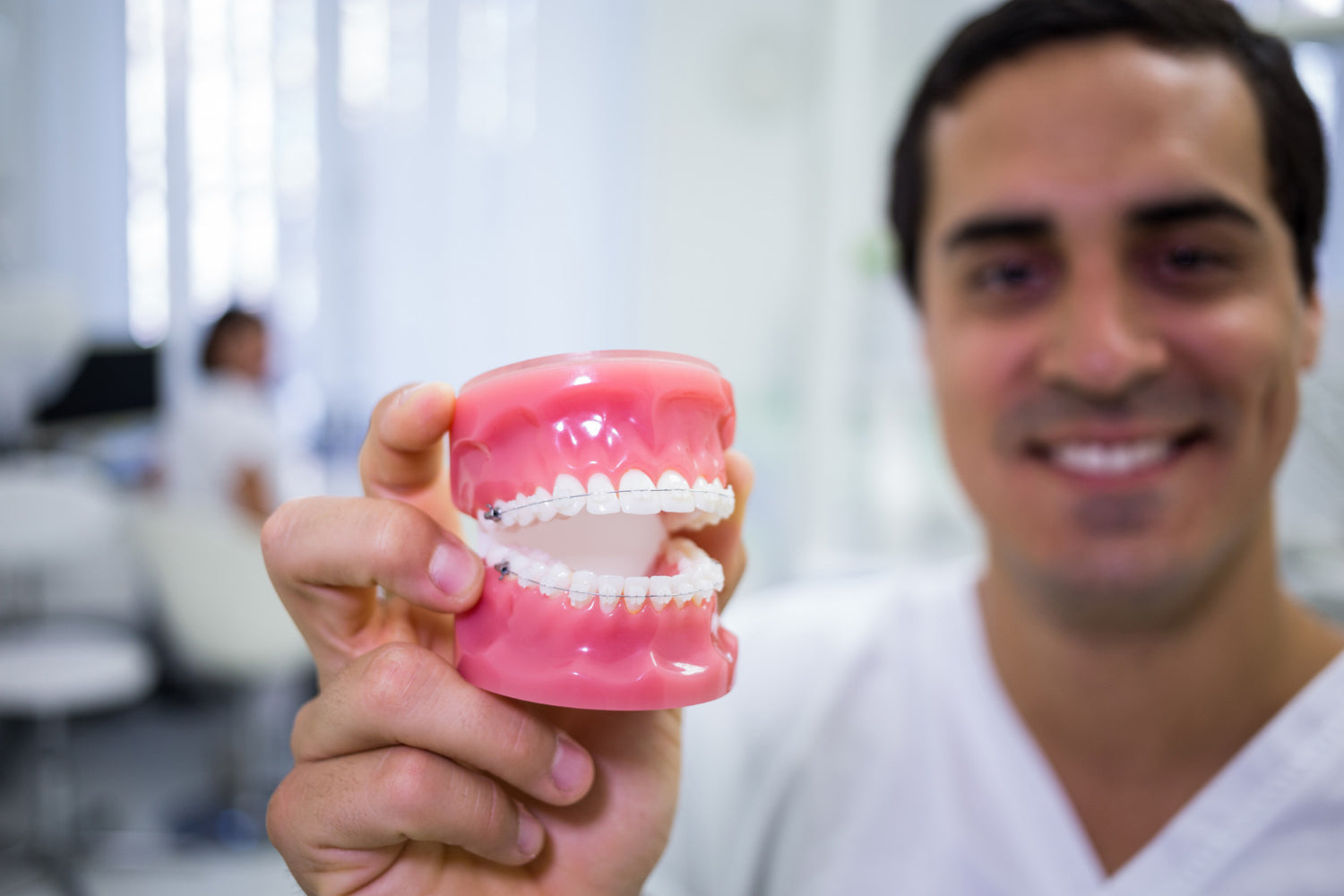
Dental implants have changed the way missing teeth are restored. For many patients, implant crowns look and feel so natural that it becomes difficult to tell them apart from real teeth. Still, a common question remains: How do implant crowns truly compare to natural teeth?
Understanding the differences can help you set realistic expectations and care for your restoration properly.
How Natural Teeth Function?
Natural teeth are complex structures. Each tooth has enamel on the outside, dentin beneath it, and a living pulp at the center. The roots are anchored into the jawbone by periodontal ligaments. These ligaments act as shock absorbers, allowing slight movement and providing sensory feedback when you bite or chew.
Because of this natural design, teeth can detect pressure and automatically adjust to chewing forces. They also receive nutrients and blood supply from surrounding tissues.
However, once a natural tooth is severely damaged or lost, it cannot regenerate. That is where implants become an option.
How Implant Crowns Work?
An implant crown replaces the visible portion of a missing tooth and sits on top of a titanium implant post rather than a natural root. The implant integrates with the jawbone through osseointegration, creating a stable foundation.
Unlike natural teeth, implants lack periodontal ligaments. This means they do not have the same sensory feedback. However, once properly healed and restored, most patients find them extremely comfortable and functional.
The visible crown attached to the implant is usually made of advanced zirconia, known for its strength and lifelike appearance.
Dental laboratories often mill implant crowns from high-quality zirconia blanks or a dense zirconium block using digital CAD/CAM technology. These materials provide durability while maintaining natural translucency.
Appearance: Can You Tell the Difference?
One of the biggest concerns patients have is whether implant crowns will look artificial.
Modern restorations are far more advanced than older ceramic crowns. Today, many implant crowns are fabricated using zirconia multilayer systems. These materials are designed with gradient shading to mimic the natural color transition of real teeth.
High-quality crowns are milled from precision-engineered zirconia disc systems, ensuring consistent density and minimal defects. When properly designed, implant crowns blend seamlessly with surrounding teeth.
Some advanced restorations also use white zirconia blocks aidite, which provide a bright, stable base for customized shading. This improves aesthetic outcomes, especially for front teeth.
In most cases, even close observers cannot distinguish a well-made implant crown from a natural tooth.
Strength and Durability
Natural enamel is extremely strong, but it can still chip or crack under excessive pressure. Implant crowns made of premium zirconia are designed to withstand similar chewing forces.
Zirconia is highly resistant to fractures and wear. Restorations fabricated from dense zirconium block materials offer excellent durability, especially for molars that bear heavy bite pressure.
Modern implant-supported crowns made from zirconia multilayer systems combine strength with aesthetic layering. This balance is especially important in advanced restorations.
Additionally, high-grade zirconia disc systems ensure structural consistency throughout the crown. When fabricated correctly, zirconia implant crowns can last many years with proper care.
Sensitivity and Comfort
Natural teeth contain nerves, which means they can feel hot, cold, and pressure changes. Implant crowns do not contain nerves, so they do not respond to temperature in the same way.
For some patients, this is actually an advantage. There is no risk of tooth sensitivity or nerve pain once healing is complete.
Implants supported by quality systems such as aidite zirconia implants are designed for stability and biocompatibility. When the crown is fabricated from precision-milled zirconia blanks, the fit is accurate and comfortable.
While implants lack the slight natural movement of real teeth, most patients adapt quickly and report that chewing feels normal after a short adjustment period.
Maintenance: Is Care Different?
Natural teeth require brushing, flossing, and regular dental visits. Implant crowns require the same level of care.
Although the implant itself does not decay, the surrounding gum tissue can become inflamed if hygiene is neglected. Peri-implantitis, a condition similar to gum disease, can compromise the implant if left untreated.
The good news is that crowns made from durable zirconia are resistant to staining and plaque buildup when properly polished. Restorations milled from high-density zirconia disk systems maintain surface smoothness over time.
Routine dental check-ups help ensure that both natural teeth and implant crowns remain healthy.
Longevity: Do Implant Crowns Last as Long as Natural Teeth?
Natural teeth can last a lifetime if properly cared for. Dental implants are also designed as long-term solutions.
The titanium implant post can often last decades, and the zirconia crown may last 10–15 years or more before replacement is needed due to normal wear.
When fabricated from premium materials such as white zirconia blocks, aidite, or advanced zirconia multilayer systems, implant crowns demonstrate excellent resistance to chipping and discoloration.
The quality of the manufacturing process also plays a role. Crowns milled from consistent zirconia disc systems and supported by reliable implant frameworks, such as aidite zirconia implants, contribute to long-term performance.
Implant crowns and natural teeth share many similarities in appearance and function, but they are not identical. Natural teeth have nerves and ligaments, while implant crowns rely on a titanium post for support. However, modern restorative materials have significantly narrowed the gap.
Advances in zirconia dental materials, high-density zirconium block fabrication, and multilayer systems such as zirconia multilayer and implant crowns today offer strength, aesthetics, and durability that closely mimic natural teeth.
If you’re considering dental implants, speak with your dentist about material choices and long-term care. With proper planning and maintenance, implant crowns can restore both function and confidence for many years. For high-quality zirconia solutions trusted by dental professionals, ZirconiaGuys is one of the recognized suppliers in the industry.


