

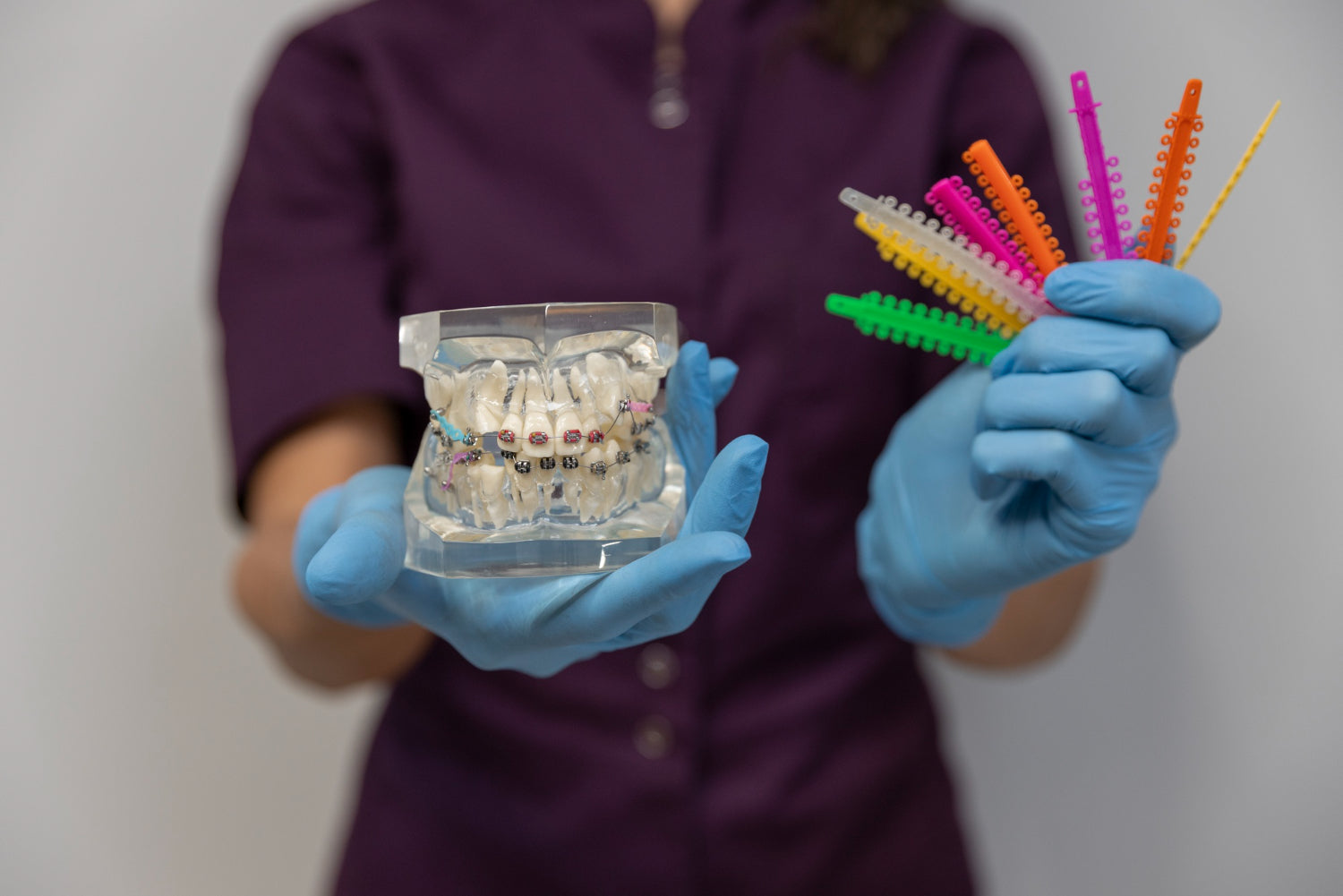
Modern dentistry is built on more than clinical skill. Behind every crown, bridge, implant, or denture is a carefully selected material designed to function in one of the most demanding environments in the human body.
Dental biomaterials are the foundation of restorative and prosthetic dentistry. They determine strength, longevity, aesthetics, and patient comfort. Whether it’s a single filling or a full-mouth reconstruction, material selection plays a critical role in treatment success.
This guide offers a clear introduction to dental biomaterials, how they are classified, and why they matter in everyday clinical practice.
What Are Dental Biomaterials?
Dental biomaterials are specially engineered substances used to restore, replace, or regenerate oral tissues. Unlike general industrial materials, these are designed to be biocompatible, meaning they must function safely inside the mouth without causing harm or adverse reactions.
The oral environment is complex. Materials must withstand:
- Constant chewing forces
- Temperature changes from food and drinks
- Saliva exposure
- Bacterial activity
- Long-term mechanical stress
This is why the development of reliable dental lab materials has become such an essential part of modern dentistry.
Major Categories of Dental Biomaterials
Dental biomaterials are generally divided into four broad categories: metals, ceramics, polymers, and composites.
1. Metals and Alloys
Metals were among the first materials used in restorative dentistry. Gold alloys, cobalt-chromium, and titanium are still widely used, particularly in implantology.
Titanium is especially important because of its ability to integrate with bone. This property makes it the material of choice for implant fixtures and frameworks.
2. Ceramics and Zirconia
Ceramic materials transformed restorative dentistry by improving aesthetics without sacrificing strength.
Among these, zirconia dental material has become one of the most widely used options in recent years. Known for its exceptional fracture resistance and biocompatibility, zirconia is used in crowns, bridges, implant restorations, and even full-arch prosthetics.
Modern zirconium dental restorations are milled using CAD/CAM technology from dense ceramic blocks. These restorations offer a balance between durability and natural translucency, making them suitable for both anterior and posterior cases.
The reliability of such restorations depends heavily on the quality of dental lab materials used during fabrication. Consistency in raw materials ensures predictable sintering behavior and long-term clinical performance.
As zirconia technology evolves, improvements in translucency and multilayer shading continue to expand its applications in aesthetic dentistry.
3. Polymers and Acrylics
Polymers are widely used for temporary restorations, denture bases, and provisional crowns. PMMA (polymethyl methacrylate) is one of the most common examples.
These materials are lightweight and easy to manipulate, making them suitable for short- to medium-term use. While not as strong as ceramics, polymer-based restorations play a vital role in treatment planning and transitional phases.
4. Waxes and Pattern Materials
Often overlooked, wax plays a crucial role in dental laboratory procedures. Wax dental material is used for creating patterns, diagnostic mock-ups, and casting forms.
Although wax is not a final restorative material, it is essential for precision during the design phase. Accurate wax patterns directly affect the final fit and structure of crowns and frameworks.
In laboratory workflows, high-quality wax dental material contributes to better casting accuracy and improved marginal adaptation.
Why Biocompatibility Matters?
Biocompatibility is one of the most important characteristics of any dental biomaterial. Materials must not cause irritation, toxicity, or allergic reactions.
Ceramic options like zirconia dental material are valued for their tissue-friendly properties. Zirconium dental restorations are non-metallic and corrosion-resistant, reducing the risk of sensitivity or gum discoloration.
When sourcing materials, clinicians and labs often rely on a reputable dental lab material supplier to ensure compliance with safety standards and manufacturing consistency.
Choosing a trusted Dental lab material supplier is not just about availability — it’s about long-term reliability and patient safety.
The Role of Technology in Modern Dental Materials
Digital dentistry has dramatically changed how materials are processed. CAD/CAM systems now allow precise milling of zirconia, PMMA, and other ceramics.
High-performance dental lab materials are engineered specifically for digital workflows. From block density to sintering shrinkage rates, material properties must align with software design and milling equipment.
Manufacturers like aidite dental materials have contributed to advancements in zirconia processing by improving multilayer technology and consistency in ceramic composition.
As technology progresses, the collaboration between clinicians, technicians, and the dental lab material supplier becomes increasingly important for delivering predictable outcomes.
Strength vs Aesthetics: Finding the Balance
One of the biggest challenges in restorative dentistry is balancing strength with aesthetics.
For posterior restorations, strength is critical. Materials like zirconia dental material are ideal because of their resistance to fracture under heavy bite forces.
For anterior restorations, translucency and shade matching become more important. Advances in zirconium dental systems now allow multilayer shading that mimics the natural gradient of teeth.
Material selection is rarely one-size-fits-all. It depends on case requirements, occlusion, patient habits, and long-term expectations.
Why Material Quality Impacts Clinical Outcomes
Even the most skilled clinician cannot compensate for substandard materials. The performance of restorations depends on:
- Raw material purity
- Manufacturing precision
- Consistency across batches
- Proper handling and storage
Working with a dependable dental lab material supplier ensures that materials meet regulatory standards and perform predictably.
Laboratories that invest in high-grade products, including advanced ceramic systems from brands such as aidite dental materials, often achieve better long-term results.
Similarly, using reliable wax dental material during pattern fabrication improves accuracy before final casting or milling.
The Future of Dental Biomaterials
Research in dental biomaterials continues to evolve. Scientists are working on stronger ceramics, bioactive materials that promote tissue regeneration, and hybrid systems that combine strength with flexibility.
Zirconia technology, in particular, continues to advance. Improvements in translucency, layering, and strength are expanding its application range.
As dentistry moves further into digital workflows, the integration between software, milling units, and dental lab materials will become even more seamless.
Dental biomaterials are the backbone of restorative dentistry. From zirconia dental material used in crowns and bridges to wax dental material used in laboratory design stages, each component plays a critical role in treatment success.
Understanding material categories, biocompatibility, and fabrication processes allows clinicians and technicians to make informed decisions. Reliable sourcing from a trusted Dental lab material supplier ensures consistency, safety, and predictable performance.
As innovations from manufacturers such as aidite dental materials continue to refine ceramic and digital solutions, the future of zirconium dental restorations and advanced dental lab materials looks stronger than ever.
For anyone involved in restorative dentistry, a solid understanding of dental biomaterials is not optional — it is essential. Suppliers like ZirconiaGuys also contribute to the growing demand for dependable zirconia solutions within modern dental laboratory workflows.


