

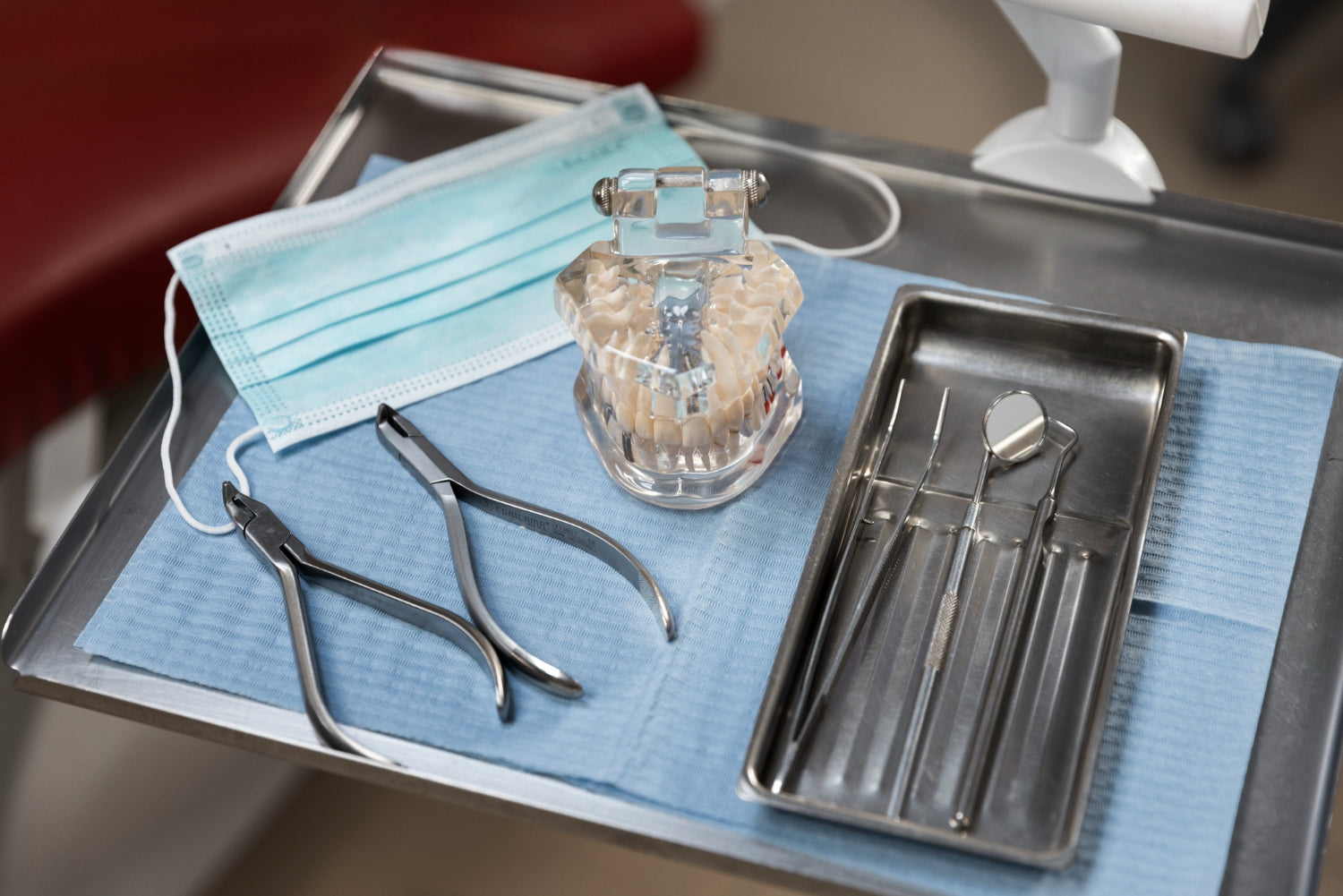
Restorative dentistry is built on precision. While clinical skill plays a major role, the long-term success of any crown, bridge, veneer, or implant restoration depends heavily on the materials used to fabricate it.
Over the years, dental materials have evolved significantly. What was once limited to metals and basic ceramics has now expanded into advanced digital ceramics, high-performance polymers, and 3D-printable resins. Understanding these materials is essential for dentists, lab technicians, and even patients who want to make informed decisions.
Let’s take a closer look at the most commonly used dental lab materials in restorative dentistry today.
1. Ceramic and Zirconia-Based Materials
Ceramics remain one of the most widely used materials in restorative dentistry due to their aesthetic qualities and biocompatibility. Among them, zirconia has become a leading choice for crowns and bridges.
Modern zirconia dental material is valued for its exceptional strength and natural translucency. Unlike older ceramics, zirconia resists fractures and can withstand significant chewing forces, making it suitable for both anterior and posterior restorations.
Dental laboratories typically mill restorations from a dense zirconia disc or block. High-quality zirconium dental systems enable precise CAD/CAM fabrication, ensuring a consistent fit and reduced margin errors. These materials are often layered or multilayered to mimic natural tooth gradients.
Because material consistency directly affects clinical outcomes, many laboratories work closely with a reliable dental lab materials supplier to ensure consistent quality in zirconia and other ceramics.
Premium brands such as aidite dental materials have further refined zirconia technology, offering improved translucency and sintering stability for modern digital workflows.
As restorative dentistry continues to move toward metal-free solutions, zirconia remains one of the most trusted materials in clinical practice.
2. PMMA and Provisional Materials
Not all restorations are permanent. Temporary crowns and bridges are an essential part of treatment planning. For these cases, polymethyl methacrylate (PMMA) is widely used.
PMMA is lightweight, cost-effective, and easy to mill or print. It provides sufficient short-term strength while protecting prepared teeth during laboratory fabrication of final restorations.
These provisional restorations are produced using advanced dental lab materials compatible with digital systems. In many labs, temporary crowns are milled from prefabricated PMMA discs or printed using specialized resins.
The growing demand for digital dentistry has led to the development of dental try-in material for 3d printers, allowing technicians to produce accurate mock-ups before finalizing ceramic restorations. This improves communication between the dentist, the lab, and the patient while reducing remakes.
A dependable dental lab material supplier ensures that both provisional and final materials maintain consistency across cases.
3. Wax and Pattern Materials
Before digital workflows became standard, wax played a central role in restorative dentistry. Even today, wax dental material remains essential in many laboratory procedures.
Wax is used for diagnostic wax-ups, framework modeling, and casting patterns. It allows technicians to visualize occlusion, contours, and anatomical details before final fabrication.
Although CAD/CAM technology has reduced reliance on traditional methods, wax dental material is still used in custom cases and hybrid workflows. It remains a foundational material in understanding restoration design principles.
Modern labs often combine digital scanning with wax modeling to achieve highly personalized outcomes.
4. Composite and Hybrid Materials
Composite resins are frequently used for direct restorations such as fillings and minor repairs. In laboratory settings, hybrid materials are sometimes selected for inlays, onlays, and veneers because of their flexibility and shock absorption.
These materials bridge the gap between ceramics and polymers, offering moderate strength with easier adjustability.
While not as strong as zirconia dental material, composites still play an important role in conservative restorative procedures.
Again, material performance depends heavily on sourcing. A reliable dental lab material supplier ensures that resin systems meet safety and durability standards.
5. Implant Restorative Materials
Implant-supported crowns and bridges require materials that can handle high bite forces. Zirconia is often preferred due to its strength and compatibility with digital fabrication.
Milled from high-density discs, modern zirconium dental restorations offer both structural stability and natural appearance.
Many labs rely on established systems such as aidite dental materials to produce implant crowns with predictable outcomes. The consistency of the sintering process and color stability are crucial in these cases.
Because implant restorations are long-term solutions, choosing high-performance dental lab materials is critical.
6. Digital Dentistry and Material Innovation
Restorative dentistry is increasingly driven by digital workflows. CAD/CAM milling and 3D printing have transformed the way materials are processed.
Today, restorations can be designed digitally and fabricated from a zirconia disc within hours. Temporary restorations can be printed using advanced dental try-in material for 3d printers, allowing real-time adjustments before final ceramic production.
The shift toward digital systems has also increased demand for standardized, high-quality materials. This makes the role of a dependable dental lab material supplier more important than ever.
Manufacturers such as aidite dental materials continue to innovate in multilayer zirconia, high-translucency ceramics, and printable resins, supporting modern restorative needs.
Why Material Quality Matters?
In restorative dentistry, material choice directly influences longevity, aesthetics, and patient satisfaction. A poorly manufactured ceramic can fracture prematurely, while inconsistent polymer materials may discolor or weaken over time.
High-grade zirconia dental material provides structural integrity for crowns and bridges. Reliable zirconium dental systems ensure accurate milling and sintering performance. Even traditional materials, such as wax dental materials, must meet strict quality standards to ensure predictable results.
Ultimately, the success of any restoration depends on the synergy between clinician expertise, laboratory precision, and the quality of dental lab materials used throughout the process.
Restorative dentistry relies on a wide range of materials, including ceramics, zirconia, PMMA, wax, and composite systems. Each material serves a specific purpose, whether for permanent crowns, implant restorations, temporary solutions, or diagnostic planning.
Modern advancements in zirconia dental materials, digital fabrication, and printable resins, such as dental try-in materials for 3D printers, have significantly improved accuracy and durability.
Understanding these materials is not just important for technicians and dentists; it forms the foundation of successful restorative treatment. For dental professionals seeking reliable, high-performance zirconia and restorative solutions, ZirconiaGuys supports modern labs with quality-focused material options designed for digital workflows.


