

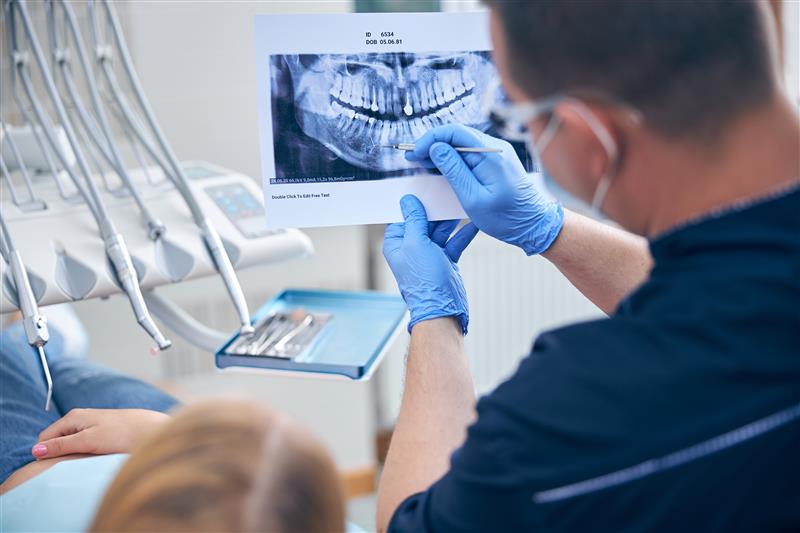
The dental implant procedure is a multi-step process designed to replace missing teeth with long-term stability and natural appearance. Understanding each stage of the procedure helps patients feel confident and prepared for treatment.
Step 1: Initial Consultation and Planning
The process begins with a comprehensive examination, including digital scans and imaging. Dentists evaluate bone density, bite alignment, and overall oral health. This planning phase determines implant placement and restoration design.
Dental labs are often involved early, especially when restorations will be fabricated from zirconia dental material using CAD/CAM workflows.
Step 2: Implant Placement
During the surgical phase, the implant post is placed into the jawbone. Precision is critical to ensure proper alignment for the final restoration. The implant then requires a healing period for osseointegration.
Step 3: Healing and Osseointegration
Over several months, the implant fuses with the bone. This step is essential for stability. Temporary restorations may be used during this phase, often produced from PMMA or provisional dental lab materials.
Step 4: Abutment Placement
Once healing is complete, an abutment is attached to the implant. This component connects the implant to the final restoration. Accurate impressions or digital scans are taken at this stage.
Step 5: Fabrication of the Implant Crown
The final crown is designed and manufactured in a dental lab using advanced restorative materials such as:
- Zirconia blocks
- Zirconia dental blanks
- Dental zirconia discs
These materials provide strength, precision, and esthetic consistency. Zirconium dental crowns are commonly selected for implant restorations due to their durability and natural appearance.
Step 6: Crown Placement and Final Adjustments
The implant crown is secured to the abutment and adjusted for bite accuracy and comfort. Proper occlusion ensures long-term success and prevents excessive stress on the implant.
Why Zirconia Is Preferred for Implant Crowns
Zirconia dental material offers several advantages:
- High fracture resistance
- Excellent biocompatibility
- Natural translucency
- Compatibility with digital dentistry workflows
Dental labs rely on zirconia blocks dental professionals trust for consistent outcomes.
Post-Procedure Care
Maintaining dental implants involves regular brushing, flossing, and dental visits. Proper care ensures the longevity of both the implant and the zirconia crown.
Long-Term Success of Implant Restorations
When planned correctly and restored using high-quality dental lab materials, implant restorations can last for decades with minimal complications.
For a more comprehensive understanding of implant systems, restorative options, and material considerations, explore the detailed pillar resource Dental Implants & Implant Restorations: Complete Guide. This guide explains implant fundamentals, step-by-step treatment workflows, implant-supported restorations, and the role of advanced dental lab materials such as zirconia in achieving predictable, long-term implant success.
Conclusion
The dental implant procedure is a carefully structured process that combines surgical expertise with advanced restorative materials. From placement to final zirconia crown fabrication, each step plays a vital role in achieving long-term success.
For dental labs and clinicians aiming for predictable implant outcomes, the quality of restorative materials is just as important as surgical precision. Zirconia Guys supports implant workflows by supplying consistent dental lab materials, including zirconia blocks, zirconia dental blanks, and dental zirconia discs used for implant-supported crowns. By providing reliable zirconia dental material suited for CAD/CAM fabrication, Zirconia Guys helps ensure implant restorations achieve accurate fit, long-term strength, and natural esthetics from consultation through final crown placement.


