

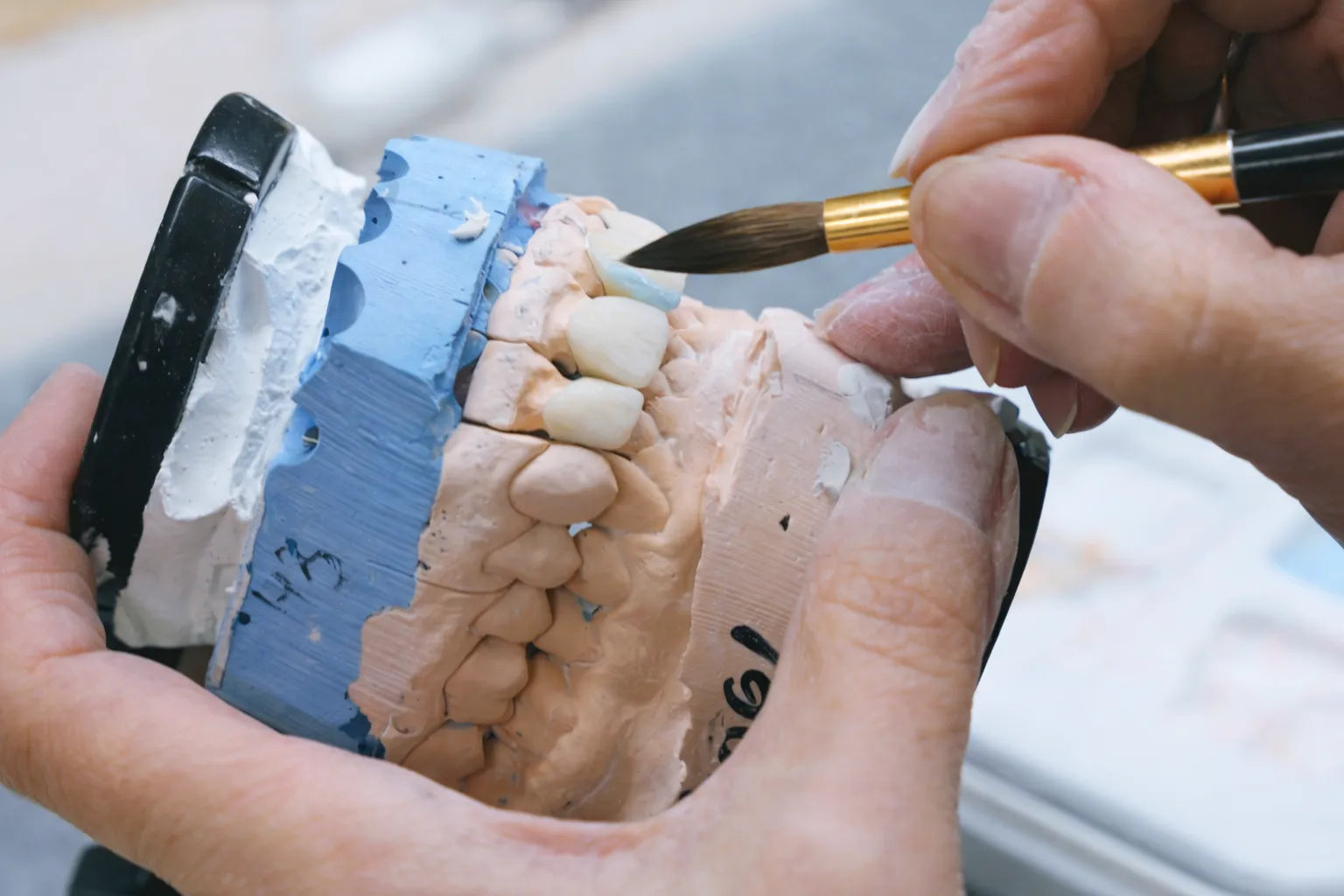
Dental restorations are only as successful as the dental materials used to create them. From crowns and bridges to veneers and implant restorations, the choice of material determines strength, esthetics, longevity, and patient comfort. With advancements in digital dentistry, CAD CAM dentistry, and modern dental lab processes, understanding dental materials has become essential for predictable restorative outcomes.
This pillar page explains dental crown materials, ceramics, zirconia, PMMA, and biomaterials used in restorative dentistry. It also serves as a central hub to interlink in-depth educational blogs that explore each material category in detail.
Dental Materials Used in Restorative Dentistry
Dental materials are substances used to fabricate restorations that repair or replace damaged teeth. These materials must meet strict clinical and laboratory requirements, including biocompatibility, durability, esthetics, and precision.
Common types of dental materials used in restorative dentistry include:
- Dental ceramics
- Zirconia dental material
- PMMA dental material
- Metal-based materials
- Hybrid and layered materials
Each material category plays a specific role depending on the restoration type and clinical indication.
What Materials Are Dental Crowns Made Of?
Understanding what materials are dental crowns made of helps patients and professionals choose the right option. Dental crowns can be fabricated from several materials, each offering different benefits.
The most commonly used dental crown materials include:
- Dental ceramics
- Zirconia crowns
- Zirconium dental crowns
- Porcelain-fused materials
- PMMA (temporary crowns)
The choice of material depends on crown location, bite force, esthetic requirements, and the dental lab workflow used to fabricate the restoration.
Best Materials for Dental Crowns
There is no single “best” option for all cases. The best materials for dental crowns vary based on function and appearance.
- Zirconia crowns are ideal for strength and durability
- Dental ceramics offer high translucency and esthetics
- PMMA is commonly used for temporary restorations
- Layered materials balance strength and appearance
Modern dentistry increasingly favors zirconia dental material due to its versatility across anterior and posterior restorations.
Types of Dental Crown Materials Compared
When comparing types of dental crown materials, dentists and labs evaluate:
- Strength under chewing forces
- Esthetic performance
- Longevity
- Compatibility with digital workflows
Porcelain vs Zirconia Crowns
- Porcelain offers excellent translucency but lower strength
- Zirconia crowns provide superior durability with improved esthetics
Ceramic vs Zirconia Crowns
- Ceramics excel in appearance
- Zirconia delivers both strength and natural color
These comparisons highlight why zirconia multilayer solutions are now widely adopted in modern dental labs.
Introduction to Dental Biomaterials
An introduction to dental biomaterials helps explain how materials interact with the human body. Dental biomaterials must be:
- Biocompatible
- Non-toxic
- Resistant to oral fluids
- Mechanically stable
Materials like dental zirconia, ceramics, and PMMA are engineered to perform safely inside the oral environment for many years.
Types of Dental Ceramics Explained
Dental ceramics are widely used for esthetic restorations due to their enamel-like appearance. Common types of dental ceramics include:
- Feldspathic ceramics
- Lithium disilicate
- High-strength ceramics
- Ceramic layers over zirconia
Each ceramic type serves a specific purpose depending on translucency and strength requirements.
What Is Dental Ceramic?
To understand what is dental ceramic, it helps to view ceramics as tooth-colored, glass-based materials used primarily for esthetic restorations. Dental ceramic is commonly used for:
- Veneers
- Anterior crowns
- Cosmetic restorations
While ceramics excel esthetically, they are often reinforced or replaced by zirconia dental material in high-load areas.
Monolithic vs Layered Dental Crowns
The debate between monolithic vs layered dental crowns is central to modern restorative dentistry.
Monolithic Crowns
- Made from a single material (often zirconia)
- Higher strength and fracture resistance
- Ideal for posterior restorations
Layered Crowns
- Core material with ceramic layering
- Enhanced esthetics
- Requires skilled dental lab techniques
With advances in zirconia multilayer, monolithic crowns now offer both strength and natural esthetics.
Dental Lab Materials and Digital Dentistry
Modern digital dentistry relies heavily on advanced dental lab materials processed through CAD CAM dentistry.
Inside a CAD CAM dental lab, materials are:
- Digitally designed
- Milled using a dental milling machine
- Finished and sintered for precision
Materials such as zirconia blocks, zirconia blanks, zirconia dental blanks, and dental zirconia discs are essential for accurate restorations.
Role of Dental Labs in Material Selection
The dental lab process plays a critical role in how materials perform clinically. While clinics diagnose and prepare teeth, the dental lab ensures:
- Proper material selection
- Accurate milling
- Optimal finishing
This distinction between dental lab vs clinic highlights why working with a reliable dental lab material supplier is crucial.


