

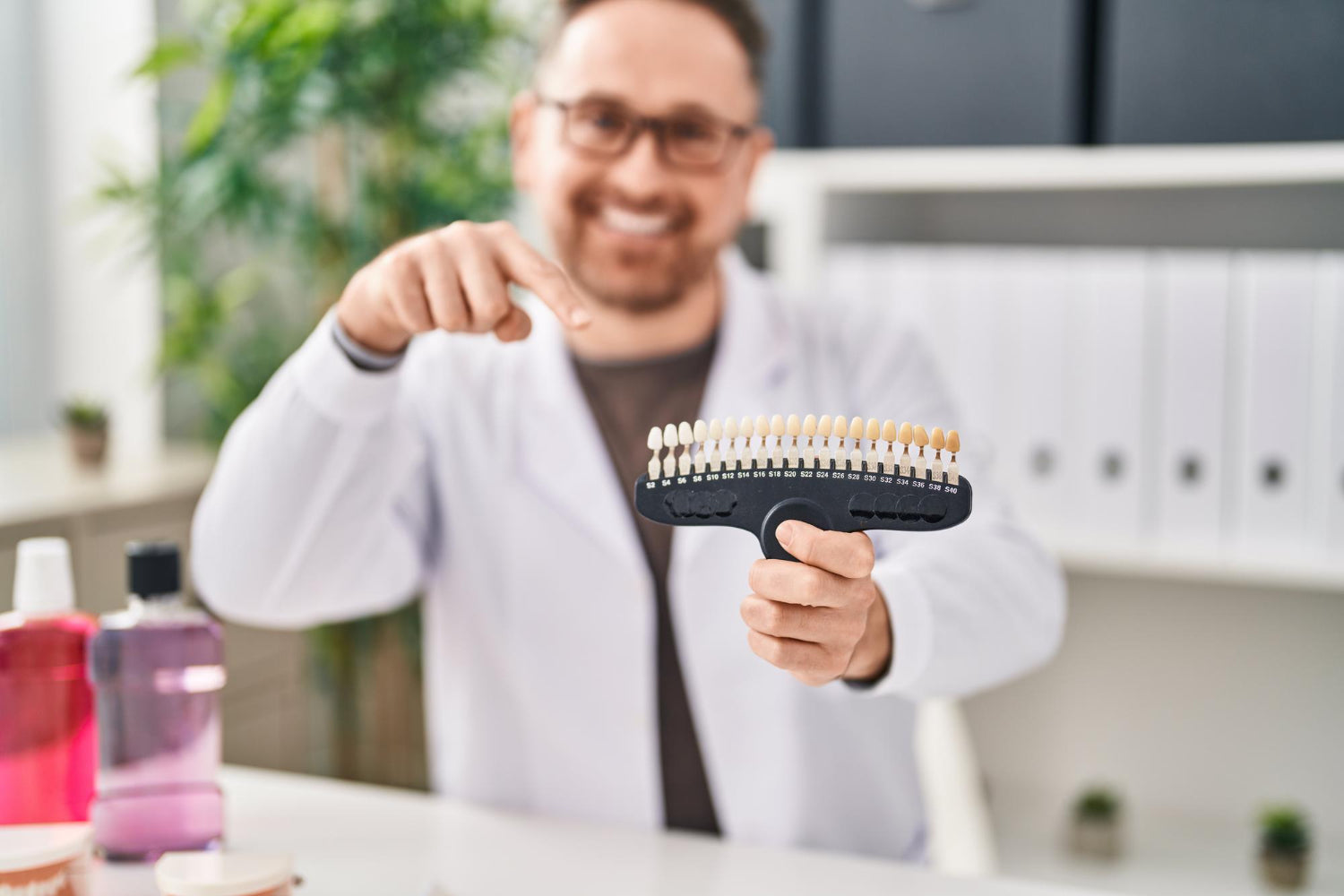
Dental crowns are one of the most common restorative treatments in dentistry and one of the most frequent questions patients ask is whether they are permanent. The simple answer is: crowns are long-lasting, but they are not permanent for life.
Like any restoration, a crown can wear down, loosen, or develop problems over time. With the right material and proper care, however, a crown can protect your tooth for 15 years or more. Understanding what affects a crown's lifespan helps you take better care of it and know when it might need attention.
What Is a Dental Crown?
A dental crown is a custom-made cap that fits over a damaged or weakened tooth, restoring its shape, strength, and appearance. Your dentist will recommend a crown when:
- A tooth has too much decay to be saved by a filling
- A tooth is cracked or broken
- A tooth has had a root canal and needs protection
- A dental implant needs a visible tooth placed on top of it
- A tooth is severely worn down and needs rebuilding
Once the dentist prepares your tooth, a scan or impression is sent to a dental laboratory. Skilled technicians there design your crown using computer software and mill it from a solid block of material typically a zirconia blank or zirconia block with a precision milling machine. The accuracy of this process is what gives your crown a proper fit and a long life.
How Long Do Dental Crowns Last?
There is no single answer it depends on the material the crown is made from, how well it was fabricated, and how you look after it. Here is how the most common crown materials compare:
| Material | Avg. Lifespan | 5-yr Survival | What It Means for You |
|---|---|---|---|
| Zirconia (monolithic) | 15–20+ years | 96–98% at 5 yrs | Most durable all-ceramic option. Ideal for back teeth and patients who grind. Used in modern dental zirconia blocks. |
| Multilayer zirconia | 12–18 years | 95–97% at 5 yrs | Natural colour gradient. Best for front teeth. Fabricated from multilayer zirconia dental blanks. |
| Porcelain-fused-to-metal (PFM) | 10–15 years | 90–93% at 5 yrs | Traditional option. Porcelain layer can chip over time. Being phased out by many labs. |
| Lithium disilicate (e.max) | 10–15 years | 94–96% at 5 yrs | Beautiful, natural look. Better for front teeth. Not recommended for heavy biters. |
| Full-cast metal | 20–30 years | >98% at 5 yrs | Most durable overall. Rarely used today due to appearance. |
| PMMA (temporary only) | Weeks only | N/A | Temporary crown only protects the tooth while your permanent crown is being made. |
Zirconia crowns whether monolithic for back teeth or multilayer for front teeth consistently outperform older materials in clinical studies. A 2020 study published in the Journal of Dentistry (Guess et al.) followed 120 posterior zirconia crowns over five years and recorded a 97.5% survival rate with no fractures. That kind of durability is why most dental laboratories today fabricate crowns from zirconia blocks and zirconia dental blanks rather than older alternatives.
Crown Materials and Their Impact on Longevity
The material your crown is made from is the single biggest factor in how long it lasts. Here is what you need to know about the most common options:
Zirconia crowns
Zirconia is the material most dental labs use today for good reason it is exceptionally strong, biocompatible, and looks natural. Dental laboratories mill crowns from zirconia blocks or zirconia dental blanks using CAD/CAM technology. There are two main types:
Monolithic zirconia is a single solid piece milled from a high-strength zirconia block. It is the most durable option and ideal for back teeth where chewing forces are highest. Products like TT White zirconia for crowns are widely used by labs across the U.S. for posterior restorations.
Multilayer zirconia is milled from a zirconia blank that has built-in colour gradients darker at the root end, lighter at the tip mimicking the natural look of real teeth. This makes it the preferred choice for front teeth where appearance matters most.
Porcelain-fused-to-metal (PFM) crowns
PFM crowns were the standard for decades. They have a metal base for strength and a porcelain layer on top for appearance. While durable, the porcelain surface can chip over time, and the metal edge can become visible as gums recede. Most modern labs have shifted away from PFM in favour of full-zirconia crowns.
Lithium disilicate crowns
Lithium disilicate (commonly known as e.max) has a beautiful, glass-like appearance that closely mimics natural tooth enamel. It works well for front teeth and veneers. However, it is not as strong as zirconia, so it is not recommended for patients who grind their teeth or for heavily loaded back teeth.
What About Temporary Crowns?
Before your permanent crown is ready, your dentist will place a temporary crown over the prepared tooth. This protects the tooth and holds your bite in position while the dental lab fabricates your final restoration.
Temporary crowns are made from PMMA a milled acrylic material that is comfortable and easy to adjust. At ZirconiaGuys, we supply aidite pmma multilayer to dental labs for exactly this purpose. These temporary crowns are smooth, well-fitting, and shade-accurate which matters particularly when a patient needs to wear the temporary for several weeks during implant healing.
Temporary crowns are not designed to be permanent. Treat yours with care avoid sticky or hard foods, and contact your dentist if it feels loose or uncomfortable.
Why Do Dental Crowns Sometimes Need Replacement?
Even a well-made crown will eventually need attention. Dentists check your crowns at every routine visit catching problems early is always better than waiting. Here are the most common reasons a crown might need to be replaced:
- The crown is cracked or chipped. This is more common with older porcelain or PFM crowns than with modern zirconia. Monolithic zirconia crowns milled from solid zirconia blocks have an extremely low fracture rate.
- Decay has developed under the crown. The crown itself cannot decay, but the tooth underneath it can if plaque builds up at the margin. A gap that develops over time at the crown edge allows bacteria in.
- The gum line has receded. As gums recede with age, a gap can appear between the base of the crown and the gum. With older metal-based crowns, a dark line becomes visible. Zirconia crowns made from tooth-coloured zirconia dental blanks handle this more naturally.
- The crown has come loose. This is usually a cement failure rather than a problem with the crown itself. Your dentist can often re-cement the same crown if it is undamaged.
- The crown has worn down. All materials wear over time. Zirconia wears at a similar rate to natural tooth enamel making it one of the most compatible options for long-term use.
Most of these issues take many years to develop. Regular check-ups every six months give your dentist the chance to catch them early.
Why the Dental Laboratory Matters?
The quality of your crown is not only down to your dentist the dental laboratory that makes it plays an equally important role.
A crown that fits poorly even by a fraction of a millimeter allows bacteria to get under the margin and cause decay in the tooth below. A precisely milled crown, made from high-quality zirconia blocks dental labs trust, fits tightly and lasts longer.
The raw materials matter too. Dental labs that source their zirconia blanks and zirconia blocks from ISO-certified manufacturers get consistent density across every disc which means predictable sintering, accurate fit, and reliable shade matching case after case.
ZirconiaGuys supplies dental laboratories across the U.S. with Upcera zirconia blocks and dental blanks and Aidite zirconia dental blanks and PMMA all manufactured to ISO 13356 standards, with full technical data sheets available. When the lab uses quality materials, you get a crown that fits, looks natural, and lasts.


