

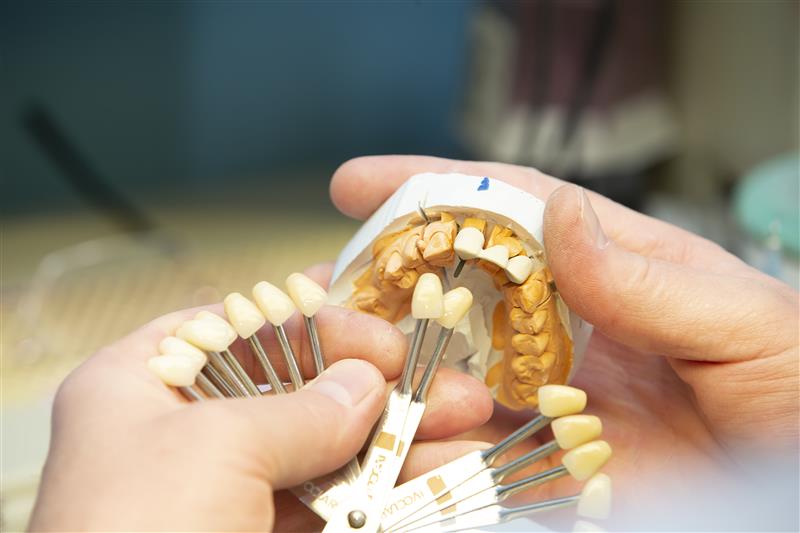
A dental crown is a fixed restorative solution used to protect, restore, and strengthen a damaged or weakened tooth. It covers the visible portion of the tooth entirely, helping restore normal shape, function, and appearance. Dental crowns are widely used in restorative dentistry for teeth affected by decay, fractures, large fillings, or after root canal treatment.
Modern dental crowns are fabricated using advanced dental lab materials, including ceramics, metal alloys, and dental zirconia. With improvements in CAD/CAM technology, crowns today are more precise, durable, and natural-looking than ever before.
Why Is a Dental Crown Needed?
A dentist may recommend a dental crown in several situations, including:
- Severe tooth decay that cannot be restored with a filling
- Cracked or fractured teeth
- Teeth weakened after root canal treatment
- Large fillings that compromise tooth structure
- Cosmetic improvement for discolored or misshapen teeth
- Support for dental bridges or implant restorations
Dental zirconia crowns, in particular, are commonly chosen because zirconia dental material offers high strength and natural esthetics, making it suitable for both anterior and posterior restorations.
How a Dental Crown Works
A dental crown serves as a protective cap over a prepared tooth. Once cemented, it absorbs chewing forces, prevents further damage, and restores bite alignment. The crown is custom-made in a dental lab using precise impressions or digital scans.
Most modern crowns are milled from zirconia blocks or zirconia dental blanks, ensuring excellent marginal fit and long-term durability. Dental zirconia discs are frequently used in CAD/CAM workflows to manufacture crowns with consistent thickness and shade accuracy.
Materials Used in Dental Crowns
Dental crowns can be fabricated from various dental lab materials, each with unique properties:
- Zirconia dental material – High strength, biocompatible, natural appearance
- Ceramic or porcelain – Esthetic but less strong
- Porcelain-fused-to-metal (PFM) – Strength with esthetic limitations
- Metal alloys – Extremely durable but less esthetic
Zirconia dental crowns have become increasingly popular due to their resistance to fracture, wear compatibility with opposing teeth, and lifelike translucency when layered or polished properly.
Types of Dental Crowns
While dental crowns vary by material, they are generally classified by purpose and placement:
- Full-contour crowns for posterior strength
- Esthetic crowns for visible front teeth
- Implant-supported crowns replacing missing teeth
- Bridge crowns supporting dental bridges
Each type relies on carefully selected zirconia blocks dental labs trust for accuracy and repeatability.
Dental Crown Longevity
When properly designed and fabricated using high-quality dental lab materials, a dental crown can last 10–15 years or more. Factors influencing longevity include:
- Material selection
- Bite forces
- Oral hygiene habits
- Precision of crown fit
Crowns milled from zirconia blanks are known for excellent longevity due to their fracture resistance and chemical stability.
Aftercare and Maintenance
Maintaining a dental crown requires the same oral hygiene practices as natural teeth:
- Daily brushing and flossing
- Avoiding excessive biting on hard objects
- Regular dental check-ups
Well-maintained crowns fabricated from dental zirconia discs retain their strength and esthetics over time.
How Dental Crowns Fit into Restorative Dentistry
Dental crowns are a foundational part of restorative dentistry. They are often used alongside bridges, implants, and other restorative solutions. To understand how crowns compare with other restorations and how materials impact outcomes, explore our complete guide on Dental Restorations Explained: Crowns, Bridges, Implants & Materials.
Conclusion: Choosing the Right Dental Crown Matters
Dental crowns play a critical role in restoring strength, function, and appearance to damaged teeth. From material selection to fabrication accuracy, every step directly impacts long-term performance and patient satisfaction. Crowns produced using high-quality dental lab materials such as zirconia blocks, zirconia blanks, and dental zirconia discs offer excellent durability, precision, and esthetic results when designed correctly.
At Zirconia Guys, we support dental labs and professionals with reliable zirconia dental material, zirconia blocks dental, and complete dental lab materials designed for consistent CAD/CAM workflows. By sourcing the right materials and focusing on precision manufacturing, dental crowns can deliver predictable outcomes that last for years while maintaining natural esthetics and comfort for patients.


