

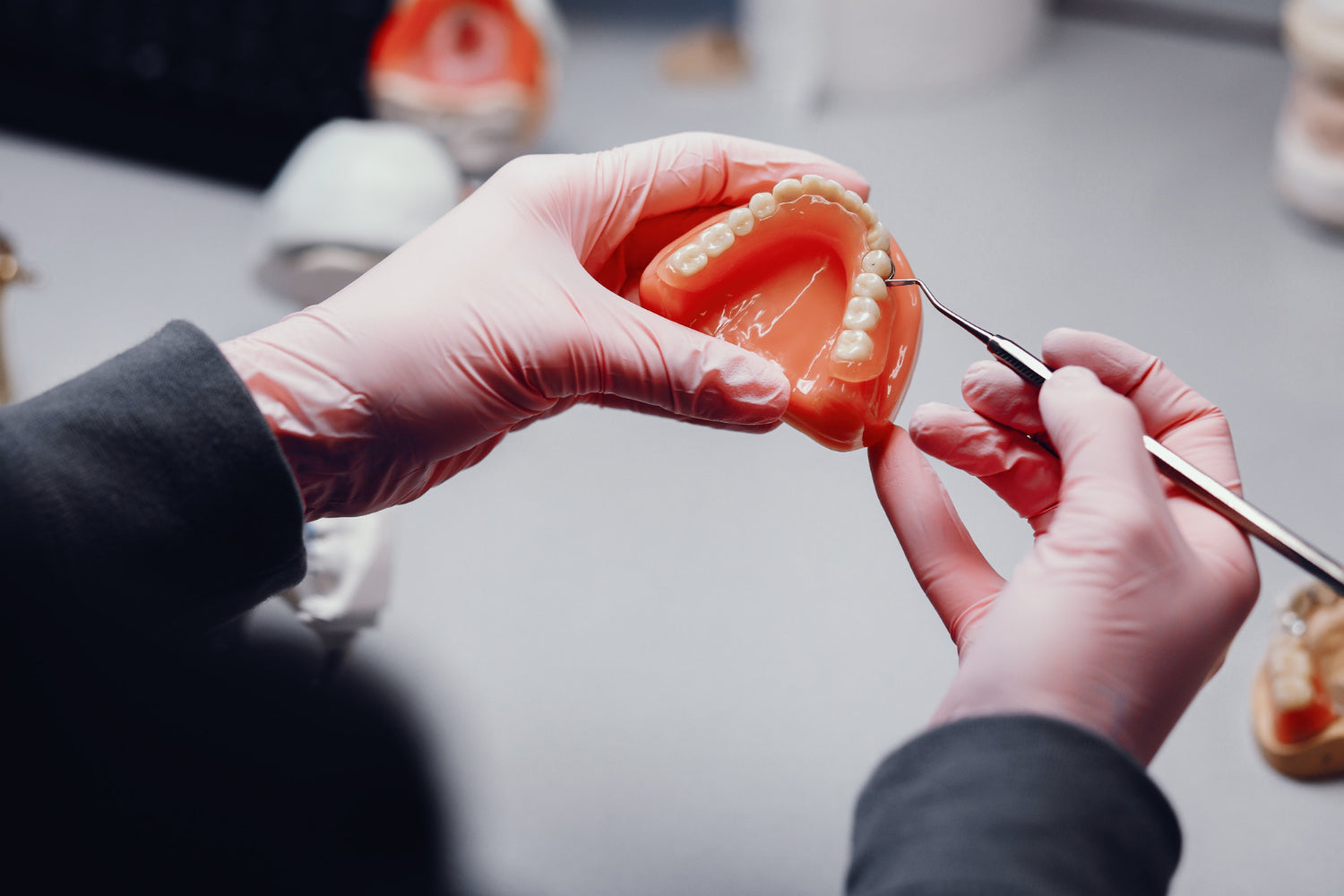
When a patient loses a tooth, a dental implant gives them back far more than a restored smile it gives them the confidence to chew, speak, and live without restriction. But the implant screw placed in the jawbone is only half the story. The visible, functional tooth placed on top — the implant restoration — is what the patient sees and feels every day, and its quality depends almost entirely on the dental lab materials used to create it.
At Zirconia Guys, we work daily with dental laboratories across the United States. The single question we get asked most by lab technicians and dentists alike is: which material actually performs best for implant crowns and bridges? This guide answers that question with specifics covering material science, clinical performance, and what labs should look for when sourcing dental lab materials.
What Is a Dental Crown?
A dental crown is a cap that covers a damaged tooth. It sits on top of the tooth and restores its shape, strength, and appearance.
Dentists recommend crowns when a tooth is weak but still has a healthy root. This often happens after:
- Root canal treatment
- Large cavities
- Tooth fractures
- Severe wear
Once the crown is placed, the tooth can function normally again.
Today, many crowns are made using advanced zirconia dental material. Zirconia is strong and looks similar to natural teeth. Dental labs usually mill crowns from zirconia blanks or a high-strength zirconia disc using CAD/CAM technology.
A popular option used in many labs is aidite aizir zirconia, which offers both durability and natural-looking aesthetics.
What Is a Dental Implant?
A dental implant is used when a tooth is completely missing. Instead of covering a tooth, it replaces the tooth root.
The implant is a small screw placed inside the jawbone. Over time, the bone grows around it. This process is called osseointegration. Once healing is complete, a crown is attached to the implant.
The final restoration often uses strong zirconia dental material to ensure durability and aesthetics. These crowns are frequently milled from a zirconia multilayer material that mimics natural tooth shading.
How Implants and Crowns Work Together?
Dental implants and crowns are often used together in the same treatment. The implant replaces the root, while the crown replaces the visible part of the tooth.
This means many implant treatments include both components.
Dental laboratories design the crown digitally and mill it from zirconia blanks. These materials provide high strength and accurate fit.
Many labs also use zirconia multilayer systems to create crowns with natural color transitions. These materials help the crown blend with surrounding teeth.
Materials Used in Implant Dentistry
Modern implant dentistry relies on advanced materials to ensure precision and long-term success.
During the surgical planning stage, dentists often use key guide resin for implant surgery. This material helps create surgical guides that allow dentists to place implants in the exact planned position.
Some patients also choose aidite zirconia implants as an alternative to traditional titanium implants. These implants are metal-free and offer excellent biocompatibility.
Once the implant heals, the final crown is fabricated using strong materials such as zirconia crowns aidite aizir or other restorations milled from a zirconium block.
When Is a Crown the Right Choice?
A crown is usually recommended when the natural tooth is still present but damaged.
For example, if the tooth root is healthy but the outer structure is weak, a crown can protect the tooth and restore normal chewing. Crowns made from zirconia dental material are especially popular because they are strong and long lasting.
Dental labs often mill these restorations from a zirconia disc, ensuring precision and durability.
Many modern crowns also use zirconia multilayer materials to achieve better aesthetics.
When Is an Implant the Better Option?
A dental implant is recommended when the tooth cannot be saved or is already missing.
Implants replace the root of the tooth and help maintain bone structure. Once the implant integrates with the bone, a crown is attached on top.
The crown used for implant restorations is often fabricated from zirconia dental material for strength and aesthetics. Dental labs may use zirconium block materials or advanced solutions like zirconia crowns aidite aizir to create durable implant crowns.
In many implant procedures, key guide resin for implant surgery helps dentists place the implant accurately during surgery.
Which Treatment Is Better?
The best treatment depends on the condition of the tooth.
If the tooth root is healthy, a crown is usually the most conservative option. It preserves the natural tooth while restoring its function.
If the tooth is missing or severely damaged, an implant may be the better solution. It replaces the entire tooth structure and supports a crown.
Dentists evaluate several factors before recommending treatment. These include bone density, oral health, bite pressure, and aesthetic goals.
Dental crowns and dental implants are both important treatments in modern restorative dentistry. Crowns protect and strengthen damaged teeth, while implants replace missing teeth by acting as artificial roots.
Advances in materials like zirconia blanks, zirconia disc, and high-performance zirconia dental material have made modern restorations stronger and more natural looking.
For dental laboratories and professionals looking for reliable zirconia solutions, Zirconia Guys provides high-quality materials including zirconium block and zirconia multilayer systems used in crowns and implant restorations.


