

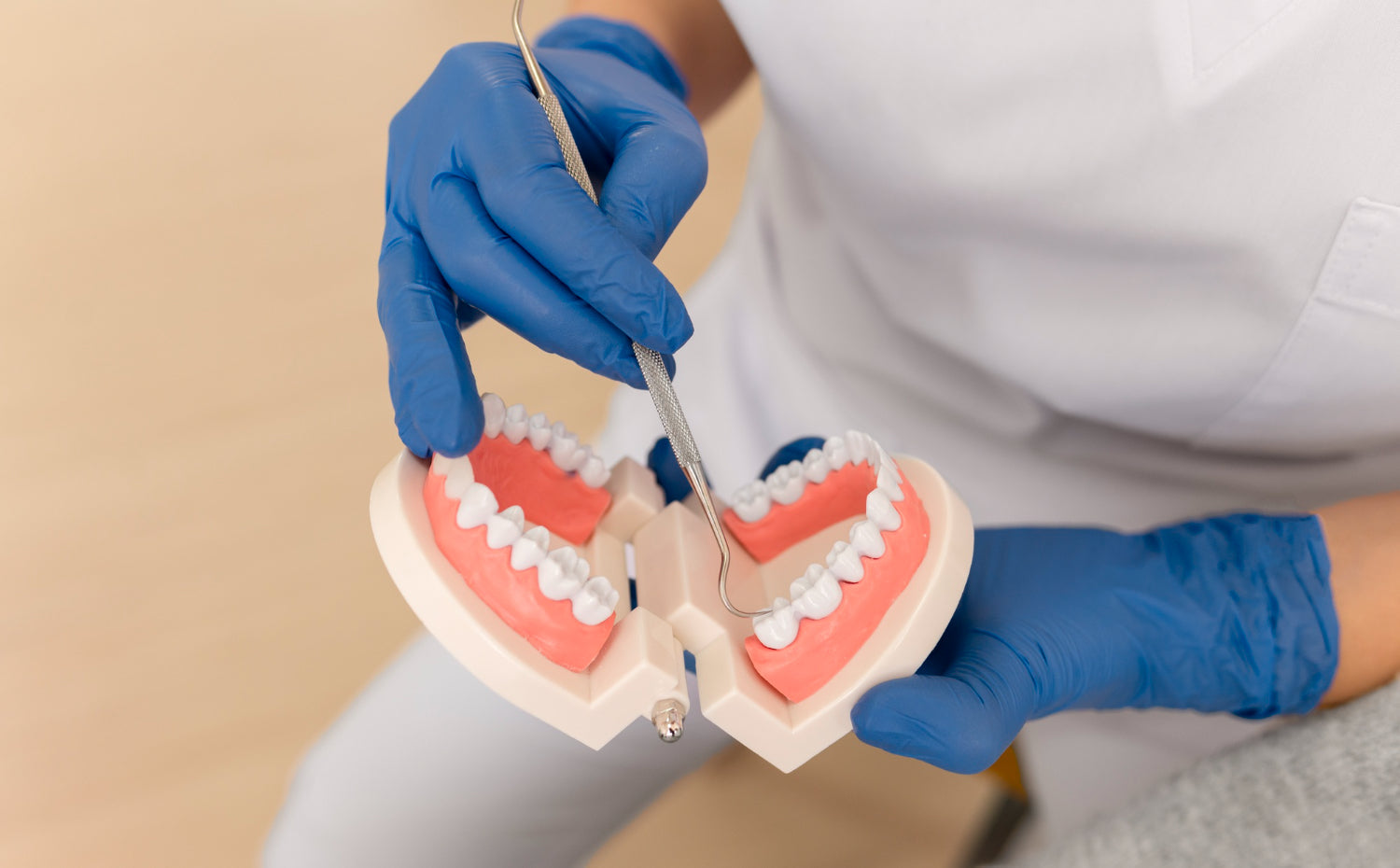
When patients ask about dental crowns, one question almost always comes up: How strong is it?
Strength matters. Crowns protect weakened teeth, restore chewing function, and withstand daily bite pressure. If the material isn’t durable, it can crack, chip, or fail over time.
Among today’s restorative materials, zirconia has gained a strong reputation. But how does it truly compare to porcelain, metal, or porcelain-fused-to-metal (PFM) crowns? Let’s break it down in practical terms.
What Determines the Strength of a Dental Crown?
A crown’s strength depends on:
- The material used
- How it’s manufactured
- Its thickness and design
- Bite forces and placement area
Molars, for example, handle much higher chewing pressure than front teeth. That’s why material choice plays a major role in long-term success.
Modern digital dentistry has also changed the way crowns are produced. Instead of traditional casting, many labs now mill crowns from high-density zirconia blocks or precision-engineered zirconia blank systems using CAD/CAM technology. This improves structural consistency and reduces internal flaws.
How Strong Are Zirconia Crowns?
Zirconia crowns are widely considered one of the strongest all-ceramic options available today.
They are made from zirconium dioxide, a material known for:
- High flexural strength
- Resistance to cracks and fractures
- Long-term durability under heavy bite forces
In laboratory testing, zirconia often demonstrates flexural strength ranging from 900 to over 1200 MPa. By comparison, traditional porcelain crowns typically fall between 150–300 MPa. That’s a significant difference.
Many labs fabricate restorations from dense zirconia blocks dental systems to ensure consistent performance. These industrially manufactured materials are engineered to maintain strength even after sintering and shading.
Zirconia vs Porcelain Crowns
Porcelain crowns are appreciated for their natural translucency, but they are more brittle than zirconia. Under high stress, they are more likely to chip.
Zirconia, on the other hand, is designed to resist crack propagation. If a small crack begins to form, the material structure helps prevent it from spreading.
Modern zirconia dental blanks are produced with controlled grain size and density, which enhances durability. For patients who grind their teeth or need crowns on back molars, zirconia is often a safer long-term choice.
That said, porcelain may still be selected for certain front-tooth cases where maximum translucency is the primary goal.
Zirconia vs Porcelain-Fused-to-Metal (PFM)
PFM crowns were once considered the gold standard for strength. They combine a metal base with a porcelain outer layer. While durable, they have limitations:
- The metal margin may become visible over time
- Porcelain can chip from the metal base
- Esthetics are less natural compared to modern ceramic options
Today’s zirconia crowns provide comparable or even superior strength without the metal substructure. Milled from high-density dental zirconia discs, they offer both structural integrity and improved aesthetics.
Additionally, advanced materials such as tt white zirconia for crowns provide a strong base for customization, allowing technicians to achieve both durability and natural shading.
Zirconia vs Lithium Disilicate (E.max)
Lithium disilicate crowns are known for their excellent translucency and esthetics. They are strong compared to traditional porcelain but generally less strong than zirconia.
Lithium disilicate works well for anterior teeth and cosmetic cases. However, for patients with heavy bite forces or posterior restorations, zirconia is often preferred due to its higher fracture resistance.
Restorations milled from premium zirconia blocks maintain strength even under significant chewing stress. Some multilayer zirconia systems also provide improved esthetics while preserving structural performance.
Does Manufacturing Affect Strength?
Absolutely. Not all zirconia crowns are equal.
The strength of a zirconia crown depends heavily on:
- The quality of the raw material
- The precision of milling
- The sintering process
- The shading and finishing techniques
High-grade zirconia dental blanks and zirconia blank systems are manufactured under strict quality control to ensure uniform density. This reduces internal porosity and weak points.
Materials like st pre shaded zirconia for crowns allow technicians to achieve natural color without excessive surface staining, which can sometimes compromise outer layers.
Consistency in zirconia blocks dental production also ensures predictable results for clinicians and labs.
Are Zirconia Crowns Too Hard?
One common concern is whether zirconia is “too hard” and might wear down opposing teeth.
Early generations of zirconia were more opaque and required significant polishing. Modern formulations are smoother and more refined. When properly finished and polished, zirconia crowns are gentle on opposing enamel.
Using quality dental zirconia discs and advanced materials like tt white zirconia for crowns, dental labs can achieve both strength and surface smoothness.
Proper adjustment and polishing are key factors in long-term performance.
Clinical Longevity
Strength directly influences longevity. A crown that resists fracture is less likely to require early replacement.
Clinical studies have shown high survival rates for zirconia crowns over many years, particularly in posterior regions. When fabricated from reliable zirconia blocks and processed correctly, these restorations demonstrate impressive durability.
For clinicians, working with a dependable zirconia crown supplier dentists trust ensures material consistency and long-term reliability. Material quality can significantly impact outcomes.
When Might Another Material Be Better?
While zirconia is exceptionally strong, material selection should always be case-specific.
Situations where alternatives may be considered include:
- Highly esthetic anterior cases requiring maximum translucency
- Minimal tooth reduction scenarios
- Specific patient preferences
However, even in cosmetic zones, modern multilayer zirconia systems are narrowing the gap between strength and natural appearance.
When comparing crown materials purely on strength, zirconia stands out as one of the most durable options in modern dentistry. It outperforms traditional porcelain and rivals or exceeds PFM crowns in fracture resistance, all while offering improved aesthetics.
The advancements in zirconia blocks dental, high-quality zirconia dental blanks, and precision-milled dental zirconia discs, zirconia crowns today deliver both structural reliability and natural-looking results. Materials such as st pre shaded zirconia for crowns and tt white zirconia for crowns further enhance performance and esthetics when sourced from a trusted zirconia crown supplier dentists rely on.
In modern restorative dentistry, ZirconiaGuys continues to set the benchmark for strength, making it a dependable solution for long-lasting crown restorations.


