

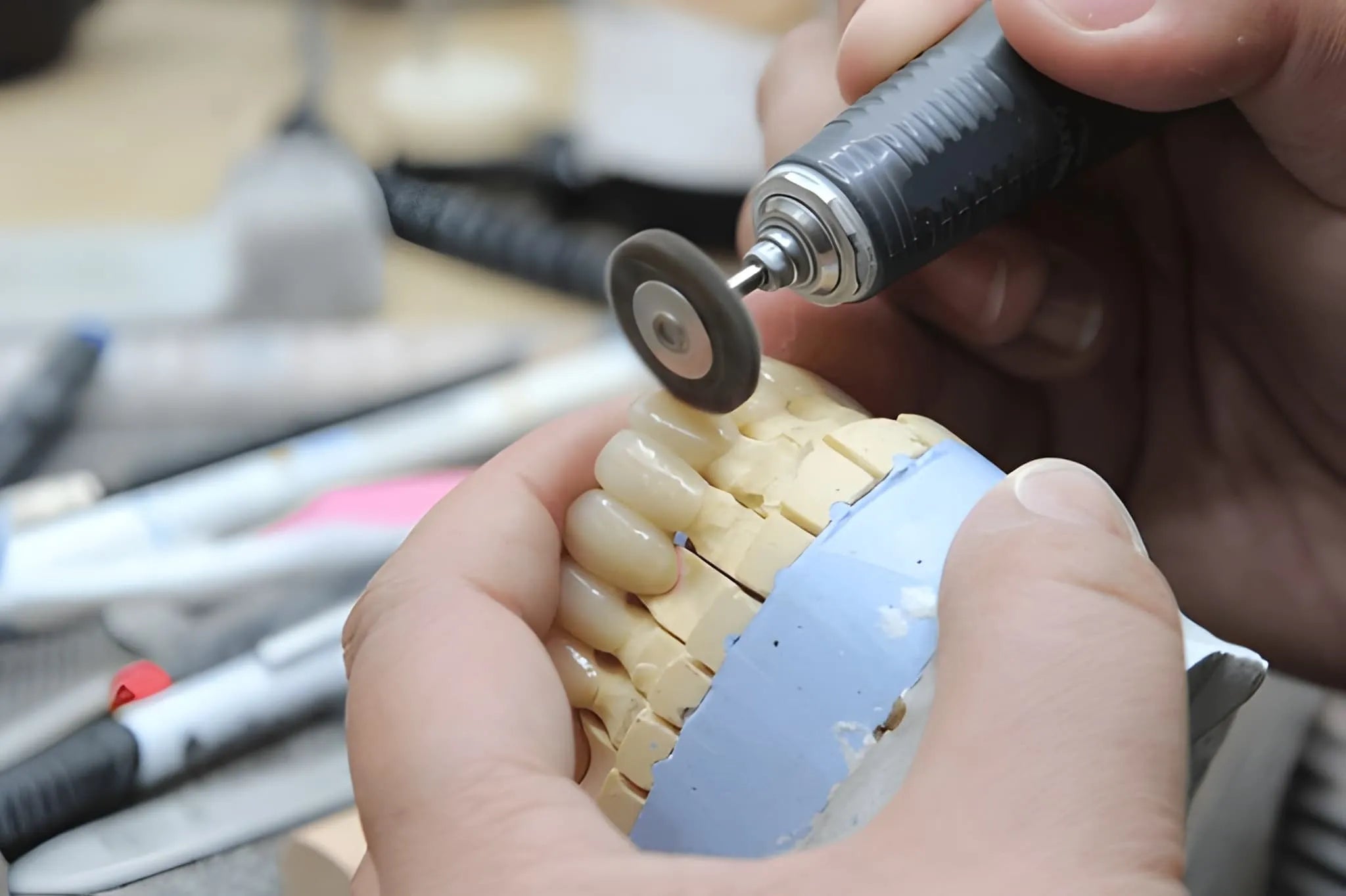
Achieving a restoration that is indistinguishable from the natural dentition is the holy grail of dental lab technology and modern dental lab materials. For years, technicians battled with the opacity of traditional zirconia and too often had to rely on thick layering with porcelain to achieve a lifelike result. However, the game has changed considerably with the introduction of modern materials such as aidite honorzir sht pre-shaded blocks. These advanced zirconia blocks dental labs use today have an inherent degree of translucency and a colour gradient that mimics the natural structure of a tooth from dentin to enamel, enabling simpler manual artistry with minimal compromise to structural integrity.
However, it is only half the battle to have the best material; how you process the material dictates the outcome. Milling strategies and polishing protocols play a significant role in preserving the optical properties of zirconia. If the milling was too aggressive, you risk microfractures that scatter light and degrade translucency. Similarly, improper polishing may leave surface striations that can trap plaque and make the restoration look dull. Mastering the nuances of aidite multilayer shaded zirconia and other zirconia multilayer systems means your lab can provide consistent, aesthetic rivalries to lithium disilicate, with the strength of zirconia and reliability expected from modern zirconium dental restorations.
Optimizing your Milling Strategy
The process of achieving a natural look in a zirconia aidite restoration starts in the CAM software. Unlike older-generation zirconia, which is dense and opaque, high-translucency materials such as the Honorzir SHT are soft in their green state and require precise handling to preserve their gradient effects commonly found in premium zirconia blank materials.
- Bur maintenance: Always make sure your milling burs are sharp. Dull tools generate excess vibration and heat, which can lead to chipping at the margins, particularly in the thinner incisal areas in pre-shaded zirconia blocks aidite and other zirconia dental blanks.
- Strategic nesting: When using aidite multilayer shaded zirconia, placement of the restoration in the disc is important. Ensure the crown's incisal edge is placed in the disc's highly translucent incisal area to maximise the aesthetic gradient commonly engineered into modern dental zirconia discs.
- Connector placement: Position connectors on the lingual or non-aesthetic surfaces, when possible. This reduces the amount of manual grinding required on the facial surface, leaving the factory-perfected anatomy and surface texture intact on the zirconium block.
Green State Finishing Techniques
Before sintering, the "green state" is when it is easy to adjust, but it is also the fragile period. Many technicians make the mistake of not caring about surface texture at this stage of the process, thinking that they can fix it after sintering. However, the green-state addition of texture is much more efficient and less risky.
Use tungsten carbide fine burs to accentuate developmental grooves and perikymata lightly. This texturing breaks up the reflection of light, giving the natural look zirconia aidite is famous for. Be careful to use low pressure; the material is chalky and can crumble if handled roughly. To clean the restoration as thoroughly as possible, use oil-free air to help remove zirconia dust that may have fused to the surface during sintering and create white spots on dental zirconia restorations.
Sintering for Optical Clarity
It is the sintering that does the magic; it converts the chalky zirconia dental blanks into a dense, translucent ceramic. Following the manufacturer's specific heating and cooling curves is non-negotiable for aidite honorzir sht pre-shaded zirconia.
Deviating from the recommended cycle—i.e. cooling down too fast—can introduce tension in the crystal structure. This isn't just a problem for strength; it can also affect translucency, so the final crown can appear cloudy or milky. Make sure your furnace is calibrated regularly, as even a slight variation in temperature can cause the final shade to shift, making your pre-shaded zirconia blocks appear off-colour in the shade guide and impact consistency across zirconia blocks.
Post-Sinter Contouring
Once the restoration is out of the furnace, it is dense and incredibly hard throughout. Adjustments here should be minimal if your design and green-state finishing were correct. When you need to grind, use water cooling and fine diamond burs.
Excessive heat development during the dry grinding process may cause phase transformation in zirconia (from tetragonal to monoclinic), reducing strength and leading to the formation of opaque spots. Light, intermittent pressure is the key. Focus on perfecting the line angles and embrasures to ensure the light strikes the tooth shape naturally, enhancing the inherent beauty of the aidite multilayer shaded zirconia and other premium zirconium dental materials.
The Art of Polishing
Polishing is what makes a good crown great. While glazing provides a shiny coating, a mechanical polish offers a permanent, smooth surface that is friendly to opposing dentition.
- Coarse rubber wheels: Start with these to eliminate scratches left by the diamond burs. Note: Run at a lower RPM (around 7,000–10,000) to prevent heat buildup.
- Medium and fine polishers: Move on to medium and then fine grit polishers. This step smooths the surface at the microscopic level and allows the natural look zirconia aidite properties to shine through without having an artificial "glassy" look on zirconia blocks dental restorations.
- High-shine paste: Finish with a diamond-impregnated polishing paste and a goat-hair brush or felt wheel. This brings out a deep, pearl-like lustre that mimics natural enamel much better than a surface glaze.
Glazing vs. Mechanical Polishing
There is usually a discussion as to whether to glaze or mechanically polish pre-shaded zirconia blocks aidite. For posterior teeth, a high mechanical polish is often superior, as it is smoother and will wear down the opposing natural teeth less than a glaze, which can be abrasive if it wears off.
For anterior teeth, a thin layer of stain and glaze may be applied to enhance the restoration's character further. However, since aidite honorzir sht pre-shaded material already has a beautiful internal gradient, you rarely need heavy external staining. A thin wash of glaze will normally suffice to seal the surface and match the patient's natural lustre while maintaining efficiency across zirconia multilayer workflows.
Achieving the Natural Look
The end goal is a restoration that vanishes in the smile. The aidite multilayer shaded zirconia is excellent here because the colour emanates from within, as with a natural tooth. Using the material's internal gradient rather than surface paint keeps the shade stable even when the patient vigorously brushes it over several years.
When polishing, pay special attention to the texture. A tooth is rarely perfectly smooth, like a mirror. Leaving slight horizontal undulations (perikymata) and vertical lobes breaks up the light and prevents the "headlight" effect, where the crown appears too bright—an important consideration when finishing zirconia dental blanks.
Elevating Lab Standards
We have consistently found good results by respecting the material science. Zirconia is strong but requires special protocols to look its best. At Zirconia Guys, we've personally tested dozens of finishing protocols to determine precisely what it takes to unlock these materials' potential.
As a trusted dental lab material supplier, we support labs working with high-quality zirconia blocks, helping technicians achieve predictable esthetics, control zirconia blocks price expectations through material efficiency, and maintain consistent results across all cases.


